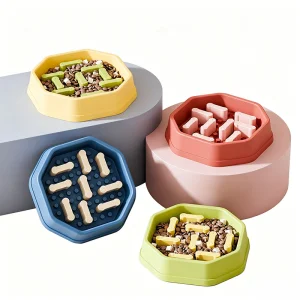
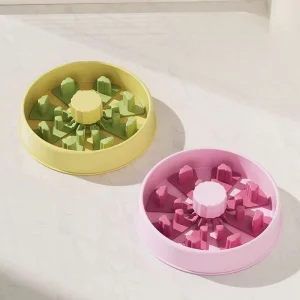
Premium solutions engineered to regulate pet eating pace, reduce bloating, and enhance cognitive function.
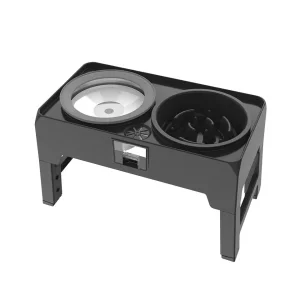
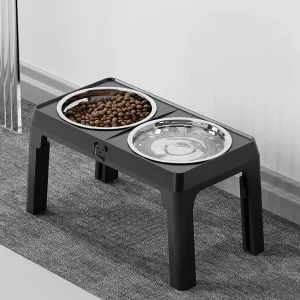
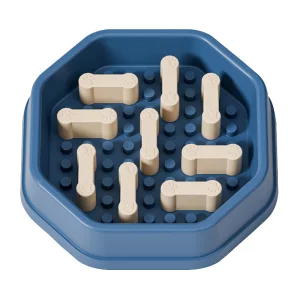
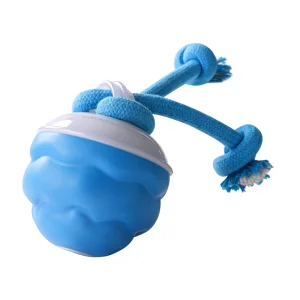
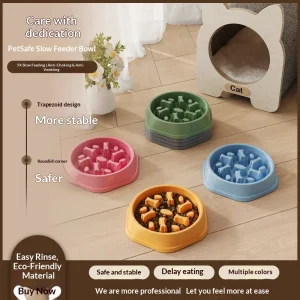
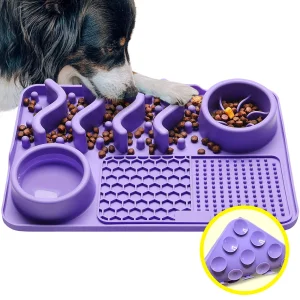
In the global pet product sector, standard static slow feeder bowls have encountered a critical limitation: cognitive accommodation. Research in veterinary ethology reveals that dogs and cats quickly adapt to static maze patterns. Over several weeks of use, their feeding speed increases back to baseline levels, reducing the digestive benefits of the feeder. This behavioral adjustment has driven global brands to seek adjustable difficulty slow feeders.
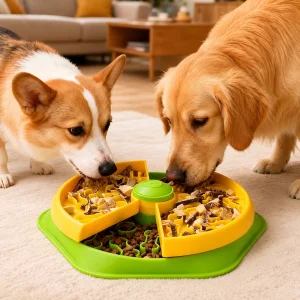
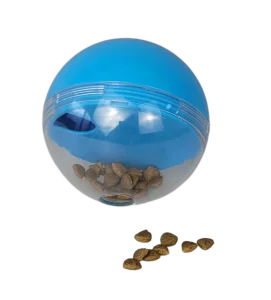
As a leading China pet feeding innovation factory, Qingdao Croi Pet Co., Ltd. is at the forefront of this shift. We design dynamic feeding systems that require pets to solve puzzles, rotate components, or manipulate obstacles to access their kibble. By modifying the mechanical resistance or maze layout, pet owners can adjust the challenge as the pet becomes more proficient. This ensures long-term digestive and mental health benefits.
Purchasing adjustable difficulty feeders allows pet brands to offer products with longer lifespans and higher consumer satisfaction, justifying a premium price point compared to traditional, static molded bowls.
Slow feeding systems address several common veterinary health issues:
How we manufacture safe, durable, and highly functional pet products.
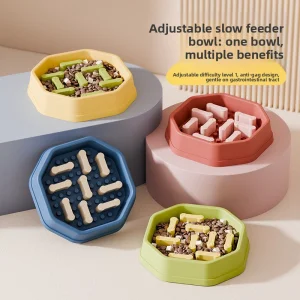
Features range from 3-level sliding restrictors to 5-level rotatable barriers, allowing owners to customize the feeding pace based on the pet's size and learning speed.
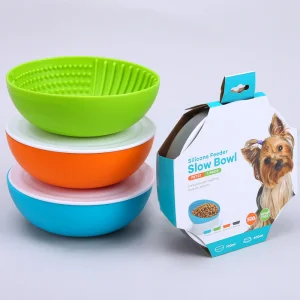
We use premium, BPA-free PP, food-grade silicone (FDA & LFGB certified), and high-durability ABS plastics to resist chewing and ensure pet safety.
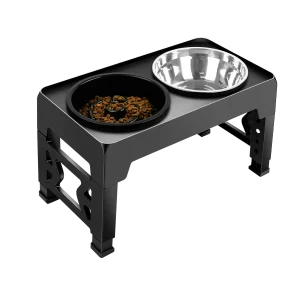
Our elevated and non-slip structures help reduce joint strain for senior pets while keeping the feeding area clean and stable.
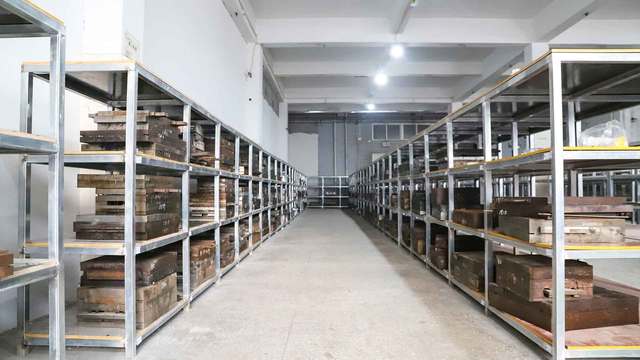
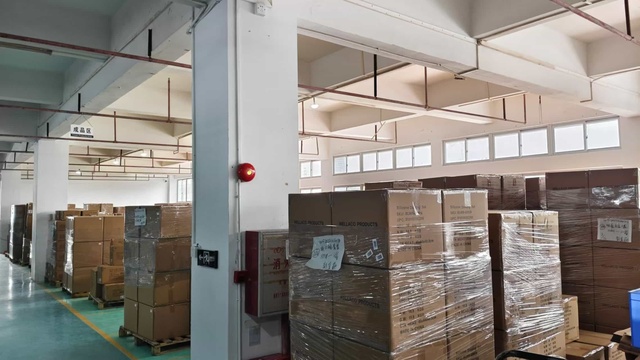
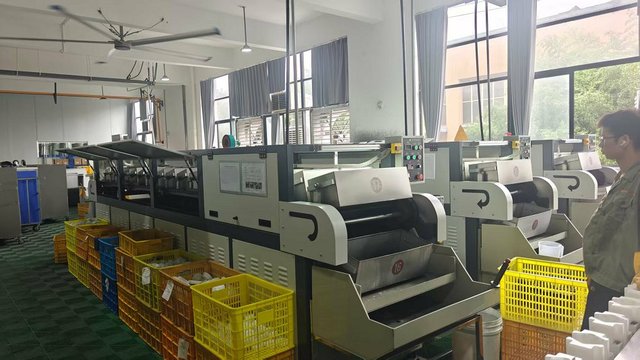
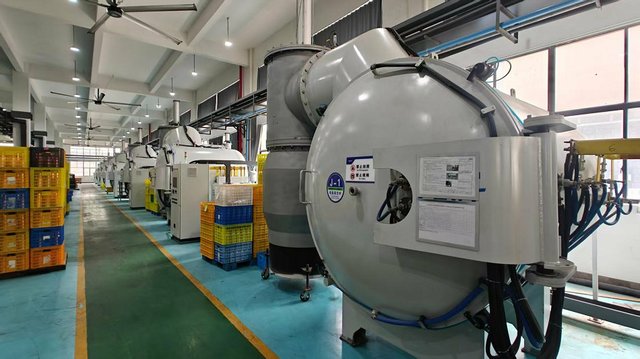
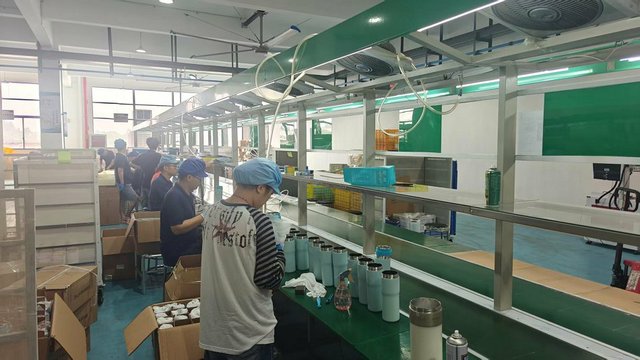
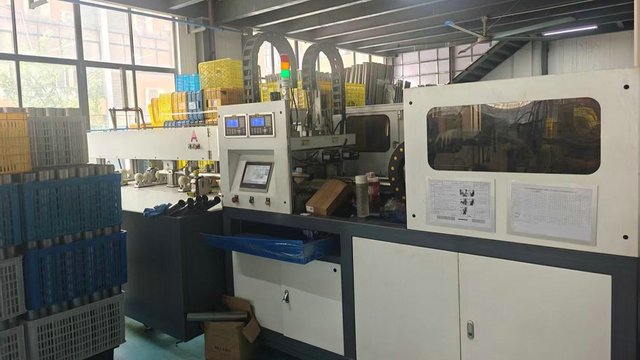
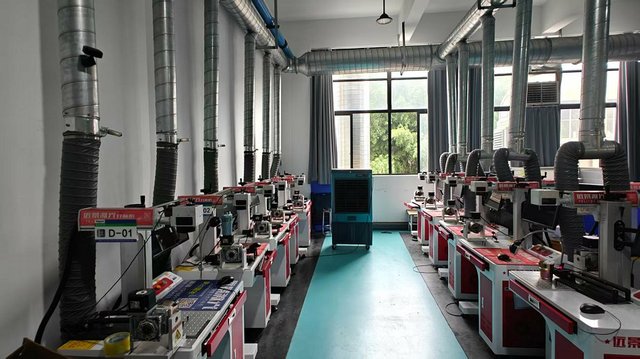
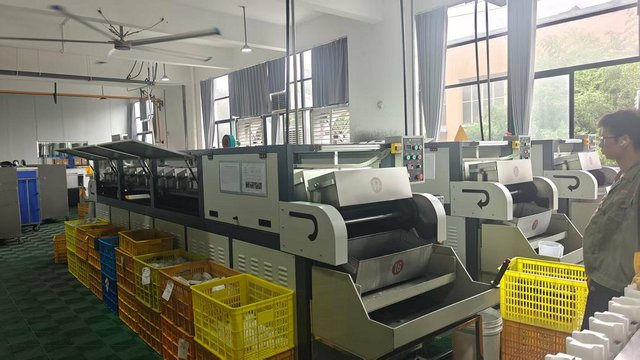
Based in Qingdao, China, our advanced factory specializes in design, mold fabrication, and injection molding for high-quality pet feeding systems. We serve global brands, wholesalers, and private label partners with reliable OEM and ODM services.
With precise engineering, food-grade materials, and strict QC protocols, we manufacture slow feeders that meet international standards (FDA, LFGB, CE, and ASTM). Our team supports partners from concept design to final export shipping.
OEM/ODM Support: We offer custom colors, logo integration, packaging options, and structural adjustments to help your products stand out in the pet supply market.

Sourcing pet feeding systems requires balancing safety compliance, material quality, and manufacturing efficiency. With rising consumer interest in pet wellness, brands must ensure their products are safe, durable, and perform as advertised.
Different materials serve different feeding applications. Below is a comparison to help you choose the best fit for your product line:
| Material Type | Key Advantages | Best Use Case | Compliance Standards |
|---|---|---|---|
| Food-Grade PP | Impact-resistant, cost-effective, dishwasher safe, and rigid enough for structured puzzle components. | Base frames and sliding maze channels. | FDA, REACH, EU 10/2011 |
| Liquid Silicone Rubber (LSR) | Hypoallergenic, soft on pet noses, highly flexible, heat-resistant, and naturally non-slip. | Licking mats and collapsible travel inserts. | LFGB, FDA Quality Grade |
| High-Gloss ABS | Superior scratch resistance, premium surface finish, and strong structural stability. | Premium interactive housings and dials. | EN71 Part 3, RoHS |
| Stainless Steel Combined | Highly hygienic, rust-proof, and easy to sanitize. | Hybrid slow-feeder and water bowl units. | Standard NSF/ANSI 2 |
Next-generation pet bowls are evolving beyond basic plastic patterns. Key features in our current manufacturing pipeline include:
Addressing the common design, safety, and logistical questions from global buyers.
Expand your product catalog with our advanced slow feeding designs.
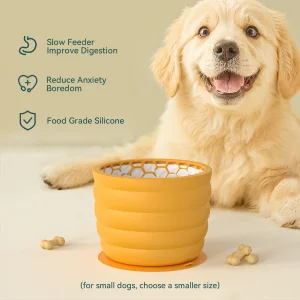
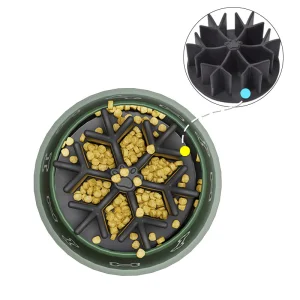
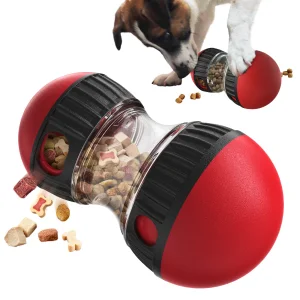
Take a look inside our manufacturing facility in Qingdao, China.

 Croi Pet