Multi-compartment feeding plates and structured food trays have transitioned from simple household novelty items to critical instruments of portion control, nutritional science, and behavioral development. In the global B2B sector, the demand for structured food receptacles is scaling exponentially. Driven by rising consumer awareness regarding pediatric choking prevention, portion monitoring, and environmental sustainability, procurement managers are searching for high-capacity manufacturers capable of delivering compliant, non-toxic, and ergonomically superior designs.
Currently, the global manufacturing landscape is segmented by material class and functional intent. The market spans high-durability polymers such as food-grade melamine and stainless steel for fast-casual dining; ultra-pure, medical-grade silicones for baby led weaning (BLW); and compostable sugarcane bagasse or wheat straw fibers engineered for institutional food service. By isolating foods, multi-compartment layouts preserve flavor integrity, reduce physical food waste, and facilitate sensory development in children, while simultaneously providing specialized industrial utility in fast-paced catering and clinical environments.
Leveraging advanced structural design expertise, Qingdao Croi Pet Co., Ltd. stands as a preeminent pioneer in specialized flow-control and behavioral feeding structures. Originally globally acclaimed as a premier Slow Feeder Dog Bowl Manufacturer, our company focuses intensely on structural anti-gulp pet feeding solutions designed to improve pet digestion, prevent choking, and promote healthier eating habits for dogs and cats.
As a leading, state-of-the-art China pet feeding innovation factory, we have successfully translated advanced research in animal bio-mechanics and structural physics into a broad portfolio of consumer feeding products. Our factory's core material technology overlaps extensively with infant feeding, portion-control dinnerware, and catering trays. Our modern processing plant in Qingdao features heavy-duty clean-room injection molding and high-precision liquid silicone compression engineering.
"By applying advanced fluid dynamics and spatial partition testing, Qingdao Croi Pet Co., Ltd. develops multi-compartment feeding systems that do not merely hold food, but actively manage consumption kinetics—promoting digestive safety, portion accuracy, and long-term health."
Our comprehensive product suite encompasses a diverse range of configurations, including maze-pattern feeding bowls, spiral slow feeders, elevated anti-gulp feeding systems, non-slip slow feeding dishes, puzzle-integrated bowls, multi-compartment feeding trays, silicone slow feeding mats, stainless steel slow feeders, and adjustable difficulty feeding designs. Each configuration is meticulously engineered to slow down eating speed, mitigate acute gastric issues, and support systemic health across multiple demographics.
Regulatory alignment, consumer safety directives, and carbon-reduction initiatives have fundamentally changed the manufacturing parameters for multi-compartment feeding plates. Procurement teams must understand the characteristics, compliance parameters, and manufacturing constraints of these core raw materials:
| Material Class | Primary Industrial Application | Core Performance Metric | Compliance Status |
|---|---|---|---|
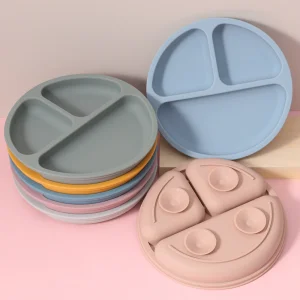
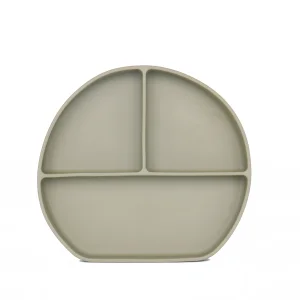
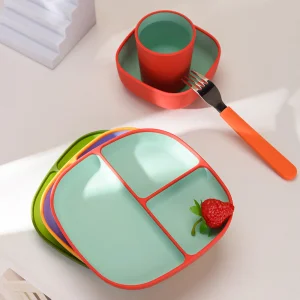
| Platinum Cured Silicone | Pediatric, Baby-Led Weaning, Suction Plates | Extreme elasticity, high thermal resistance (-40°C to 230°C) | FDA, LFGB, EN14372 Approved |
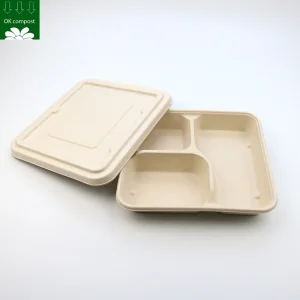
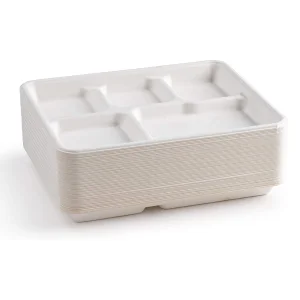
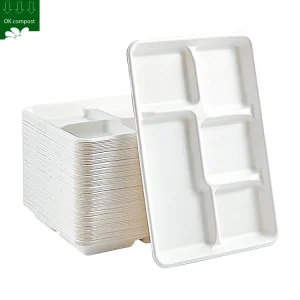
| Sugarcane Bagasse Pulp | Institutional Catering, Disposable Trays | 100% biodegradable within 90 days, hot oil resistant | BPI, OK Compost Certified |
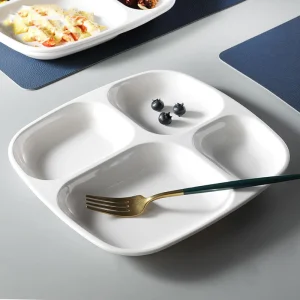
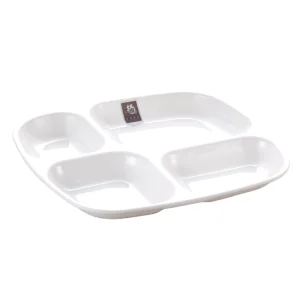
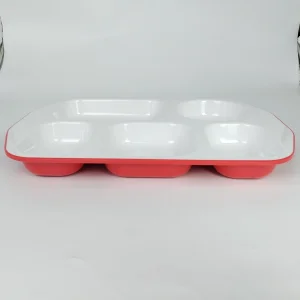
| Food-Grade Melamine | Fast Food Dining, Commercial QSR | High impact resistance, polished gloss, ceramic aesthetics | FDA Compliant, BPA-Free |
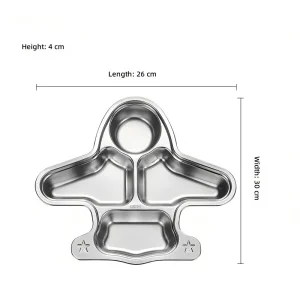
| Premium PPSU / Stainless Steel | High-end Pediatric Dinnerware, Hospital Ware | Maximum structural integrity, scratch-proof, autoclave safe | Medical & Food Grade Approved |
A major macro trend is the transition from petroleum-based plastics to bio-based and circular materials. Sugarcane bagasse, an agricultural byproduct, is molded under high heat and pressure to form highly stable, multi-compartment lunch plates. This process requires zero fossil fuel chemical inputs, allowing institutions such as schools, hospitals, and national park services to reduce their carbon footprints without sacrificing structural stability or fluid containment integrity.
Optimizing multi-compartment plates requires a deep understanding of localized environments. Each application scenario dictates a unique set of engineering requirements:
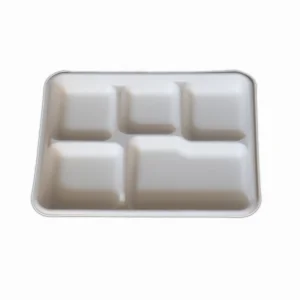
Requires high-compartment density (typically 5-compartment layouts) for balanced diet guidelines. Focus is placed on biodegradable bagasse and impact-resistant melamine to withstand industrial dishwashing and rough handling.
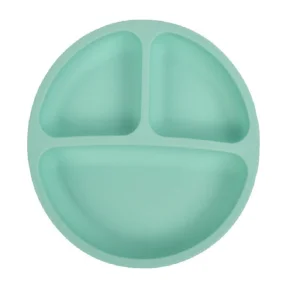
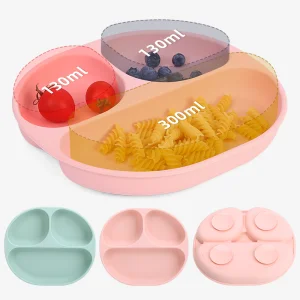
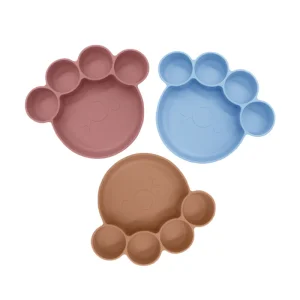
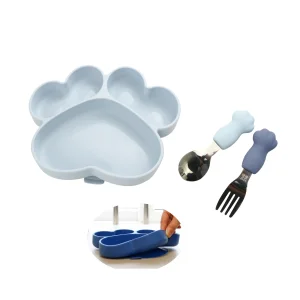
Utilizes bright animal-shaped silicone plates with high-performance suction bases. The focus here is on sensory engagement and motor skill development, ensuring plates stick to highchair trays to prevent spills.
Applies complex maze partitions and textures to slow down food consumption in pets. These structural designs stimulate brain function, prevent choking, and reduce instances of bloat or regurgitation.
Furthermore, in commercial quick-service restaurant (QSR) setups, high-density melamine partition plates are preferred. Their thermal stability preserves food heat in central compartments, and their scratch-resistant properties withstand rigorous commercial sanitization cycles.
Producing durable, safe multi-compartment feeding plates requires precise control of materials and mechanical processes. The factory's technology roadmap covers the lifecycle from concept design to final delivery:
Utilizing high-end CAD/CAM programs, engineers map out wall thickness and release angles. This step prevents material thin spots and ensures consistent partition depth across complex silicone and plastic molds.
For silicone products, our factory utilizes high-purity, platinum-cured vulcanization. This eliminates volatile organic compounds (VOCs) and chemical residues, ensuring the product is free of any lingering odors.
Sugarcane bagasse pulp is pressed in specialized heavy-duty hydraulic thermoforming machines, maintaining exact heat levels to bind natural plant fibers securely without toxic glues.
Finished plates are subjected to stress, drop, high-temperature dishwasher simulation, and food-acid exposure tests to ensure compliance with global safety standards.
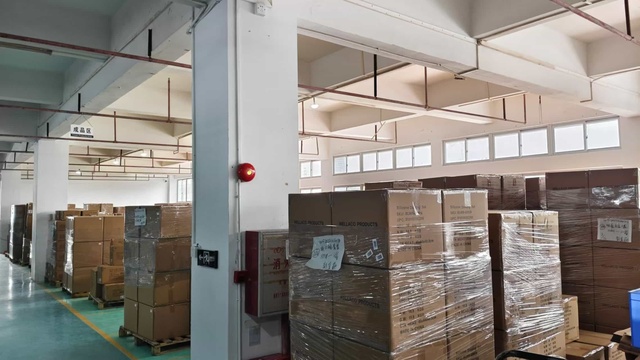
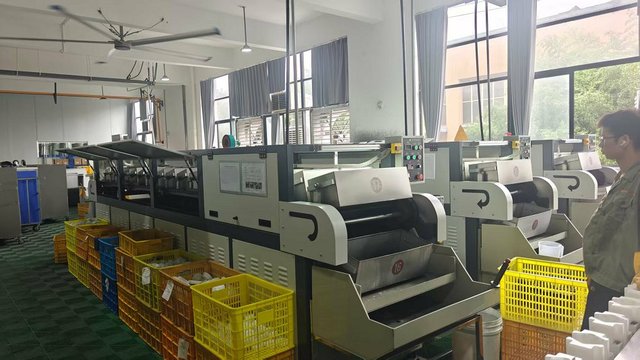
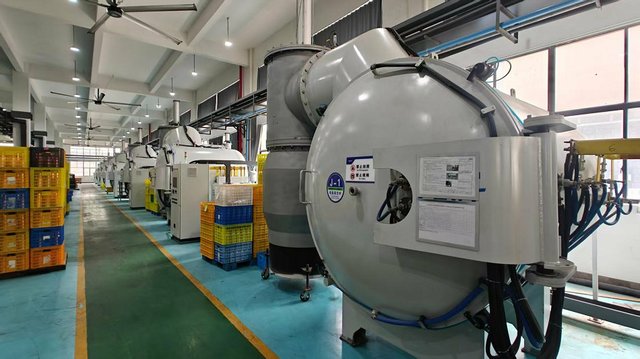
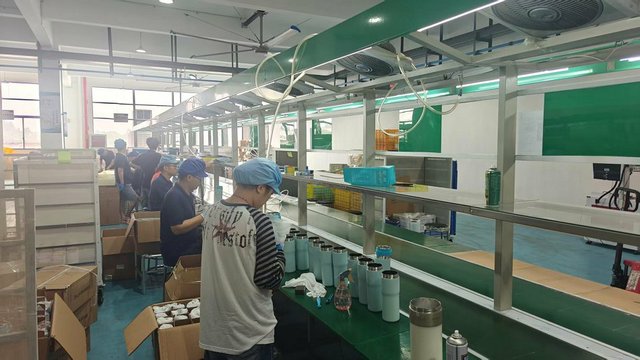
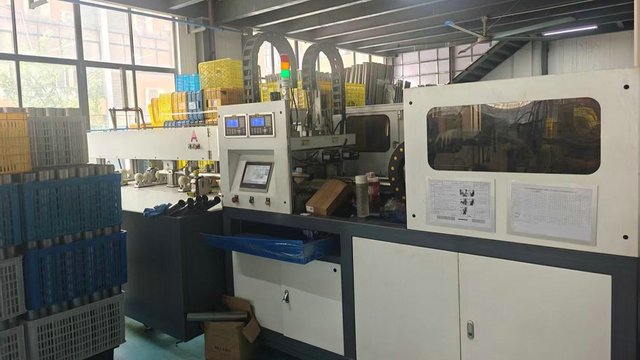
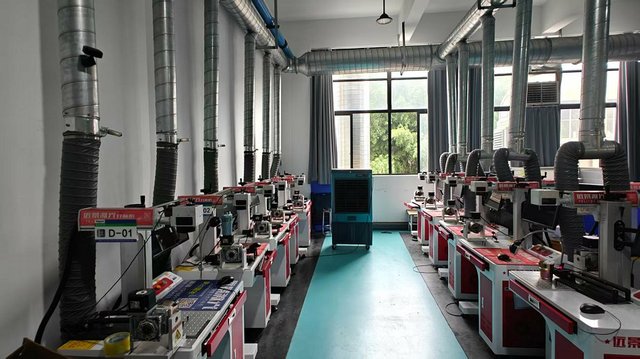
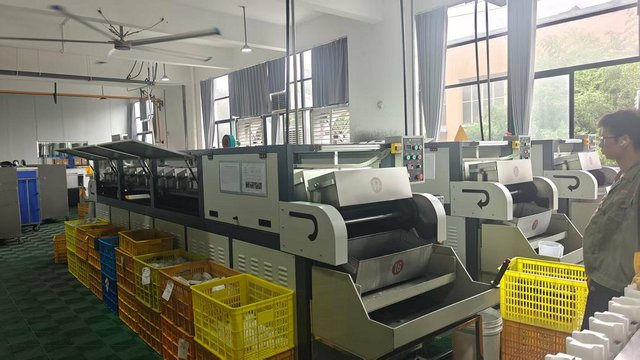
Located in Qingdao, a major coastal manufacturing hub in China, our factory is equipped with advanced injection molding machines, silicone processing systems, and precision tooling workshops. We strictly select pet-safe, BPA-free, and food-grade materials to ensure product safety and durability. Every item undergoes strict quality control testing to meet international standards.

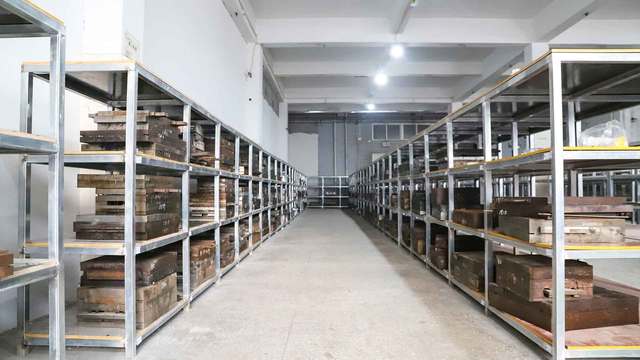

As an experienced OEM/ODM supplier, Qingdao Croi Pet Co., Ltd. provides full customization services, including product structure design, mold development, logo printing, packaging customization, and private label solutions. We support global clients in building competitive feeding brands with unique designs and strong market positioning.
Whether custom molding a specific animal shape to engage toddlers, developing an intricate maze pattern to slow down eating speeds in large-breed dogs, or designing a stackable sugarcane plate for quick-service restaurant (QSR) applications, our industrial design team can turn a concept draft into a functional prototype in under 10 days. Our export operations serve North America, Europe, Australia, and Southeast Asia, ensuring our global clients benefit from reliable shipping, clear customs handling, and consistent post-purchase support.

 Croi Pet