Choosing a slow feeder can seem simple until a Labrador pushes the bowl across the kitchen. A small Pug may struggle with deep ridges, while a Greyhound may find them frustratingly narrow. These differences raise an important question: do slow feeders work for all dog breeds? The honest answer is no single design suits every dog, age, eating style, or health condition.
Slow feeders can reduce rapid gulping by adding gentle obstacles around the food. Many owners notice fewer empty-bowl burps, slower mealtimes, and less frantic behavior. However, these products are not magic solutions. A determined Beagle may still finish dinner quickly, even with a maze-shaped bowl. A nervous dog might avoid eating from it altogether. Fit matters.
Veterinary guidance and careful observation should shape the decision. Flat, wide patterns often suit short-nosed breeds better than deep compartments. Taller dogs may need a stable, non-slip base to prevent bending and spills. Puppies, senior dogs, and pets with dental pain may require softer textures or easier layouts. Always watch the first few meals. Stop if your dog paws intensely, coughs, becomes distressed, or cannot reach food comfortably.
This guide compares feeder shapes, materials, cleaning needs, and breed-related considerations. It also examines where popular advice becomes too confident. A slower meal is useful, but comfort and safe nutrition matter more. Sometimes, the best feeder is the least complicated one.
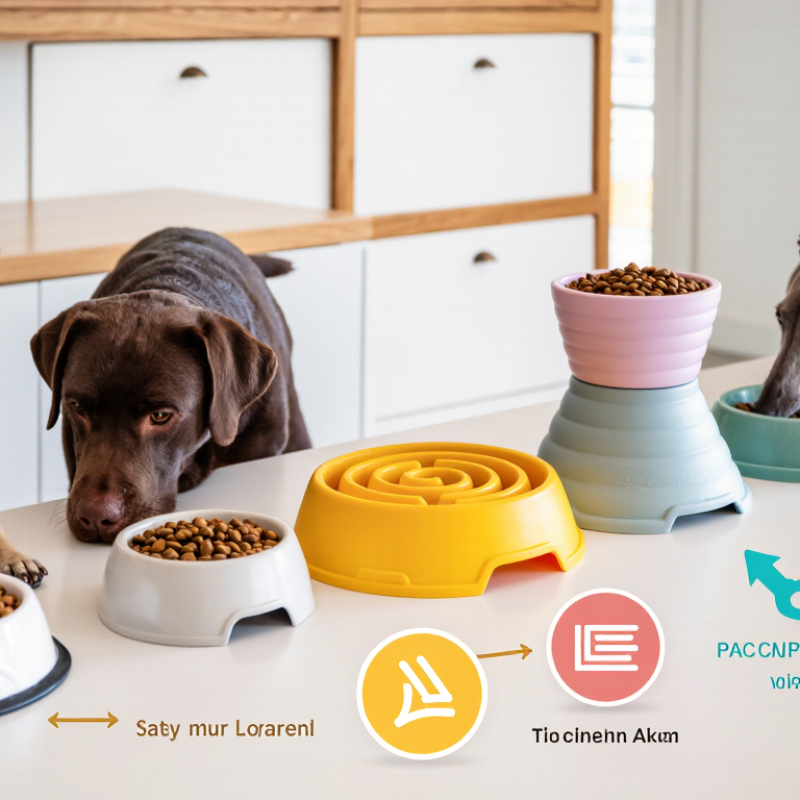
2026 Best Slow Feeders: Do They Work for All Dog Breeds?
What Is a Slow Feeder and How Does It Work?
A slow feeder is a food bowl with ridges, channels, or raised sections. These obstacles interrupt rapid gulping. Your dog must sniff, paw, and reposition each bite. Mealtimes become slower and more deliberate.
In my experience, the best designs create small pauses without causing frustration. A flat-nosed dog may need wide, shallow channels. A large, long-nosed dog may manage deeper patterns. Puppies, senior dogs, and anxious eaters need extra care. Some dogs simply give up.
The American Pet Obesity Prevention survey reported that 59% of U.S. dogs were overweight or obese in 2022. Portion control still matters more than bowl design. A slow feeder cannot correct excessive calories. WSAVA nutrition guidance also emphasizes measured portions, suitable food, and regular body-condition checks.
Slow feeding may reduce gulping, food scattering, and post-meal regurgitation in some dogs. However, it does not guarantee protection from gastric dilatation-volvulus. Breed, body shape, age, meal size, and exercise may influence risk. The evidence is not perfectly tidy.
Watch the first meal. If your dog coughs, becomes frantic, or damages the bowl, change the design. Stainless steel or durable, cleanable materials are practical choices. Never assume one pattern suits every breed.
Slow feeders are designed to make dogs take smaller bites, pause between mouthfuls, and spend more time eating. They can be useful for fast eaters across many breeds, but suitability depends on muzzle shape, body size, age, and feeding behavior. Flat-faced dogs may need shallow, widely spaced ridges, while large or deep-chested dogs generally need a stable feeder with appropriately sized openings. Supervision is recommended, especially for puppies, seniors, and dogs that become frustrated while eating.
The chart presents a practical suitability score from 1 to 5 based on common feeding-design considerations; it is not a clinical measurement or a universal breed ranking.
Many dogs eat as if dinner might disappear. A slow feeder can interrupt that habit by adding gentle obstacles around each bite. Dogs then pause, sniff, lick, and chew more deliberately. This may reduce gulping, swallowed air, and post-meal discomfort. Some owners also notice less coughing after meals. The effect is not guaranteed, though. Eating speed can reflect stress, hunger, competition, or learned behavior.
In my experience, the best results come from matching the feeder to the dog. A large, deep-chested dog may benefit from a broad bowl with low ridges. A flat-faced dog may struggle with narrow channels and need an easy, shallow design. Small dogs, puppies, and older dogs also require different spacing. Food should remain reachable without forcing the neck into an awkward angle. Start with one meal daily, then watch the dog closely. Stop if frustration, pawing, vomiting, or refusal appears.
Slow feeding is not a cure for every digestive concern. It cannot replace veterinary advice for repeated vomiting, bloating, weight loss, or sudden eating changes. I once assumed a more complicated feeder was automatically better. It was not; the dog scattered food and became tense. A simpler pattern worked more calmly. Wash the feeder after each use, measure portions, and check whether the dog finishes comfortably within a reasonable time. Some dogs need slower meals. Others need a different routine.
Choosing the best slow feeder starts with breed shape, not appearance. A narrow-muzzled Greyhound may need wide channels and shallow ridges. A French Bulldog often needs low, open sections for easier breathing. Small breeds usually manage softer, smaller openings. Large breeds need stable, heavier designs that resist sliding.
Deep-chested breeds require extra care. Fast eating is associated with swallowed air, but slow feeders cannot guarantee protection from gastric dilatation-volvulus. The American Kennel Club advises discussing risk factors with a veterinarian, especially for Great Danes, Dobermans, and German Shepherds. Never force a dog to reach deeply. That can create frustration or awkward neck posture.
Food texture matters too. Wet food can smear across tight grooves. Kibble works better in wider, rounded compartments. The Association for Pet Obesity Prevention reported that 59% of surveyed U.S. dogs were overweight or obese in its 2022 survey. Portion control still matters. A feeder is not a weight-loss plan. WSAVA body-condition guidance recommends checking the ribs, waist, and abdominal tuck regularly. In practice, observe the first meals: Does the dog cough, paw at the bowl, or abandon food? Change the design if needed. I would also reconsider highly intricate mazes. They look clever, but cleaning can become a neglected problem. Wash the feeder after wet meals, inspect for cracks, and supervise dogs that chew.
Slow feeders do not suit every dog equally. Breed shape, eating speed, and medical history matter more than appearance. The 2022 Association for Pet Obesity Prevention survey estimated that 59% of American dogs were overweight or obese. Slower meals may help portion control, but a feeder cannot replace measured food or exercise.
Brachycephalic breeds, including flat-faced dogs, may need wide, shallow designs. Deep grooves can press against short noses and make breathing harder during meals. Toy breeds often need smaller openings, because oversized puzzles may cause frustration or skipped food. Deep-chested breeds may benefit from calm, controlled eating, yet the feeder should not force a low posture. Research on gastric dilatation-volvulus identifies large, deep-chested dogs as higher-risk patients, although feeder choice alone cannot prevent this emergency.
Long-muzzled breeds may need narrow channels instead of broad, flat mazes. Giant breeds need sturdy, stable bowls that resist sliding and tipping. Puppies also require adjustable difficulty. I have seen dogs master one puzzle quickly, then gulp from another. That inconsistency deserves attention.
Tips: Choose a feeder that matches muzzle length and shoulder height. Start with an easy pattern. Watch breathing, pawing, vomiting, and unfinished meals. Stop if discomfort appears. A veterinary nurse or veterinarian can assess posture, swallowing, and body condition. Review the design after a week, because “slow” is not always comfortable.
A slow feeder is not automatically suitable for every dog. Breed shape, muzzle length, age, and eating style matter. Flat-faced dogs may struggle with deep grooves, while small dogs can tire from oversized compartments. Begin with a shallow design and one-quarter of the usual meal. Stay nearby. Watch the first three meals.
The Association for Pet Obesity Prevention reported that 59% of surveyed dogs were overweight or obese in its 2022 Pet Obesity Prevalence Survey. Slower eating may support portion control, but it cannot replace measured feeding or daily activity. The American Animal Hospital Association’s nutrition guidance also emphasizes individual calorie needs, body-condition scoring, and regular veterinary review. I would record eating time, dropped food, coughing, frustration, and stool changes for one week. A calmer ten-minute meal is useful. A stressed twenty-minute meal is not.
Stop if your dog paws aggressively, guards the feeder, vomits, or refuses food. Brachycephalic dogs, seniors with dental pain, and dogs with swallowing problems need extra caution. Wash the feeder after every wet-food meal, and inspect it for cracks. Some dogs adapt quickly; others do not. My own evaluation would be imperfect because appetite changes with heat, exercise, and anxiety. Recheck body condition after two to four weeks, rather than judging success from one quiet meal.
| Dog Type or Feeding Need | Why a Slow Feeder May Help | Preferred Design | Potential Concern | Safe Introduction Method | What to Evaluate |
|---|---|---|---|---|---|
| Most healthy adult dogs that eat rapidly | Food channels and ridges can reduce the speed of eating and encourage smaller bites. | A stable, non-slip bowl with broad, rounded channels that are easy to clean. | A feeder that is too difficult may cause frustration, food guarding, or reduced intake. | Begin by placing a small portion of the normal meal in the feeder and finish the meal in the usual bowl if needed. | Eating becomes calmer, the dog finishes an appropriate meal, and there is no coughing, vomiting, or excessive frustration. |
| Small dogs and toy breeds | A suitable feeder may slow gulping without requiring the dog to reach deeply into narrow spaces. | Small, shallow compartments with low ridges and an appropriately sized opening. | Large grooves can make food difficult to reach and may strain the neck or shoulders. | Use a thin layer of food at first. Increase the challenge only if the dog eats comfortably. | The dog can reach all food without repeated pawing, tipping, whining, or abandoning the meal. |
| Large and giant breeds | Slower food intake may be useful for dogs that rapidly consume large meals, although it does not eliminate the risk of gastric dilatation-volvulus. | A wide, heavy, stable feeder with spacious channels and enough capacity for the measured meal. | Deep or narrow patterns can encourage awkward posture and may be difficult to clean thoroughly. | Start with a simple pattern and divide the daily ration into multiple veterinarian-approved meals when appropriate. | The feeder stays stable, the dog maintains a comfortable posture, and there is no marked abdominal distension or distress after eating. |
| Short-nosed or flat-faced dogs | A shallow, accessible design may reduce rapid gulping without forcing the dog to push its nose into deep channels. | Very shallow sections, broad openings, a low overall height, and easy access from several directions. | Breathing difficulty, overheating, regurgitation, or excessive effort may worsen if the design is too challenging. | Test during a calm meal while observing breathing. Stop immediately if the dog struggles to breathe or repeatedly regurgitates. | Breathing remains quiet, the dog can pause easily, and food is consumed without prolonged effort. |
| Long-muzzled dogs | A maze-style bowl may be effective because the muzzle can reach between wider, rounded barriers. | Longer channels with generous spacing and no sharp corners or narrow dead ends. | A design with tight gaps can cause facial rubbing or make the dog use its teeth to remove food. | Offer a portion by hand or in a regular bowl first, then place the remaining portion in the feeder. | The dog uses its tongue and muzzle normally rather than biting, scraping, or forcefully striking the feeder. |
| Dogs with dental disease, oral pain, or missing teeth | A slow feeder is not a treatment, but a soft and shallow format may sometimes be more comfortable than hard food in a deep maze. | Smooth, shallow surfaces that work with softened food, subject to veterinary advice. | Hard plastic, abrasive edges, or repeated scraping may aggravate oral pain or gum irritation. | Obtain veterinary guidance first. Introduce only when the dog is eating comfortably and pain is controlled. | Check for dropping food, pawing at the mouth, bleeding, reluctance to eat, or chewing on the feeder. |
| Puppies | A simple feeder can provide gentle mealtime enrichment and discourage frantic gulping. | Shallow, soft-edged, puppy-sized sections with a low difficulty level. | Excessive difficulty can reduce calorie intake during a period of rapid growth. | Use a small amount of food for a supervised trial. Keep the rest of the measured meal available if the puppy cannot finish. | The puppy remains interested, eats enough for its feeding plan, and does not chew or carry the feeder. |
| Senior dogs or dogs with limited mobility | A gentle design can slow eating while adding minimal physical or cognitive demand. | Low-profile, non-slip, shallow compartments placed on a comfortable, level surface. | A feeder that slides or requires prolonged bending may increase discomfort or fall risk. | Begin with a brief supervised meal and adjust the position according to the dog’s comfort and veterinary advice. | Observe posture, slipping, fatigue, stiffness, and whether the dog can reach the final portion without strain. |
| Highly food-motivated or anxious eaters | A modest reduction in eating speed may support calmer behavior, but it does not replace behavior management or veterinary assessment. | Predictable, low-complexity channels that do not trap food or create competition. | A difficult puzzle may increase frustration, guarding, barking, or frantic pawing. | Feed in a quiet area and introduce the feeder away from other pets. Reward calm investigation before serving a full meal. | Body language remains relaxed, food guarding does not increase, and the dog can disengage after eating. |
| Dogs that chew or destroy feeding equipment | A slow feeder may be unsuitable if the dog treats it as a chew toy. | A durable, food-safe, smooth-surfaced feeder used only under direct supervision. | Broken pieces can cause mouth injury, choking, or intestinal obstruction. | Offer the feeder for a short supervised trial and remove it immediately if chewing begins. | Inspect after every use for cracks, loose parts, sharp edges, or missing material. |
| Stage | Recommended Action | Positive Signs | Stop or Change the Plan If |
|---|---|---|---|
| 1. Inspect the feeder | Choose a stable, food-safe product with smooth surfaces, rounded edges, and no accessible detachable parts. | The feeder is appropriately sized, stable, intact, and easy to wash. | There are cracks, sharp edges, strong chemical odors, or spaces that cannot be cleaned. |
| 2. Start with low difficulty | Place a small portion of the usual food in the easiest section or spread it thinly across the surface. | The dog investigates calmly and can obtain food without forceful behavior. | The dog repeatedly gives up, vocalizes, bites the feeder, or becomes highly agitated. |
| 3. Increase gradually | Increase the amount or complexity only after several comfortable meals. | Eating is slower but remains efficient, and the dog maintains normal appetite. | Meal completion becomes excessively prolonged, food intake falls, or stress signals appear. |
| 4. Monitor during and after meals | Supervise use, provide a calm feeding area, and observe breathing, posture, swallowing, and behavior. | The dog eats comfortably, pauses normally, and shows relaxed body language afterward. | Coughing, choking, repeated vomiting, regurgitation, severe bloating, weakness, collapse, or breathing difficulty occurs. |
| 5. Clean and reassess | Wash after wet food and inspect regularly even when feeding dry food. | No residue, mold, odor, damaged areas, or skin irritation around the mouth. | The feeder cannot be cleaned thoroughly or the dog develops oral, digestive, or behavioral problems. |
Safety note: Slow feeders can reduce eating speed for some dogs, but they do not guarantee prevention of choking, vomiting, bloat, or gastric dilatation-volvulus. Seek urgent veterinary care for repeated unproductive retching, a rapidly distended abdomen, difficulty breathing, collapse, or severe weakness.
It is a bowl with ridges, channels, or raised sections. These obstacles interrupt rapid gulping. Your dog must sniff, lick, and reposition each bite.
It may reduce gulping, scattered food, swallowed air, and post-meal regurgitation. Some dogs also cough less after eating. Results vary.
No, it cannot guarantee protection from gastric dilatation-volvulus. Body shape, breed, meal size, age, and exercise may influence risk. The evidence remains imperfect.
Choose wide, shallow channels with easy access. Narrow, deep patterns may create frustration or awkward neck angles. Watch every early meal.
A larger bowl with deeper patterns may work better. Food should remain reachable without excessive neck bending. Fit matters more than complexity.
Yes, but spacing and difficulty need careful adjustment. Start with one meal daily. Stop if the dog coughs, paws frantically, vomits, or refuses food.
Change to a simpler pattern or easier design. I once assumed a complicated feeder was better. It scattered food and made the dog tense.
No, measured portions matter more than bowl design. Check body condition regularly and avoid adding excessive calories. A slower meal is not a smaller meal.
Wash it after every use, especially inside ridges and channels. Choose durable, cleanable materials. Check for damage before serving food.
Seek advice for repeated vomiting, bloating, weight loss, or sudden eating changes. Do not treat a feeder as a cure. Watch closely.
Slow feeders are bowls, mats, or puzzle-style dishes designed to make dogs work around ridges, compartments, or patterns instead of eating from one open surface. By slowing the pace, they may reduce gulping, improve chewing, support digestion, and provide gentle mental stimulation. However, their value depends on the individual dog, meal type, eating habits, and health needs. The question “do slow feeders work for all dog breeds” does not have one universal answer, because breed shape, size, age, temperament, and physical ability all influence the best design.
Choosing the right feeder means considering a dog’s muzzle length, jaw structure, portion size, and tendency to become frustrated. Flat or shallow designs may suit short-nosed breeds, while deeper patterns can work for dogs with longer muzzles. Puppies, senior dogs, powerful chewers, and dogs with mobility or digestive concerns may need special materials or simpler layouts. Introduce the feeder gradually, observe eating behavior, clean it regularly, and stop using it if the dog shows stress, pain, or difficulty accessing food.
