7 Tips Are Slow Feeders Better Than Regular Bowls?

Time:2026-10-22 Author:Ethan
0%

When mealtime becomes a blur of gulping, scattered kibble, and an empty bowl, many owners question whether a different design could help. The practical question is simple: are slow feeders better than regular bowls? The honest answer depends on the dog or cat, the food, and the feeding routine.

The American Pet Products Association’s 2023–2024 National Pet Owners Survey reports that 66% of U.S. households own a pet. That scale makes feeding equipment more than a minor shopping choice. It affects daily enrichment, portion control, and household cleanliness. Meanwhile, the Association for Pet Obesity Prevention has repeatedly reported that excess body weight remains common among companion animals. A slower eating method may support mindful feeding, but it cannot replace measured portions or veterinary guidance.

Research and veterinary guidance require restraint here. A slow feeder can create small pauses, encourage nose work, and reduce the speed of some meals. It may also frustrate flat-faced dogs, senior pets, or animals with dental pain. The 2021 AAHA Nutrition and Weight Management Guidelines emphasize individualized nutrition plans, body-condition monitoring, and professional assessment. Bowl design is only one part of that picture.

Real life is messier.

This guide compares seven practical factors, including choking concerns, cleaning, portion visibility, material safety, and pet temperament. It also considers evidence limits, because marketing claims often sound stronger than published research. I have used slow feeders with eager eaters, yet I would not call them universally superior. The best choice is the one your pet can use comfortably, safely, and consistently.
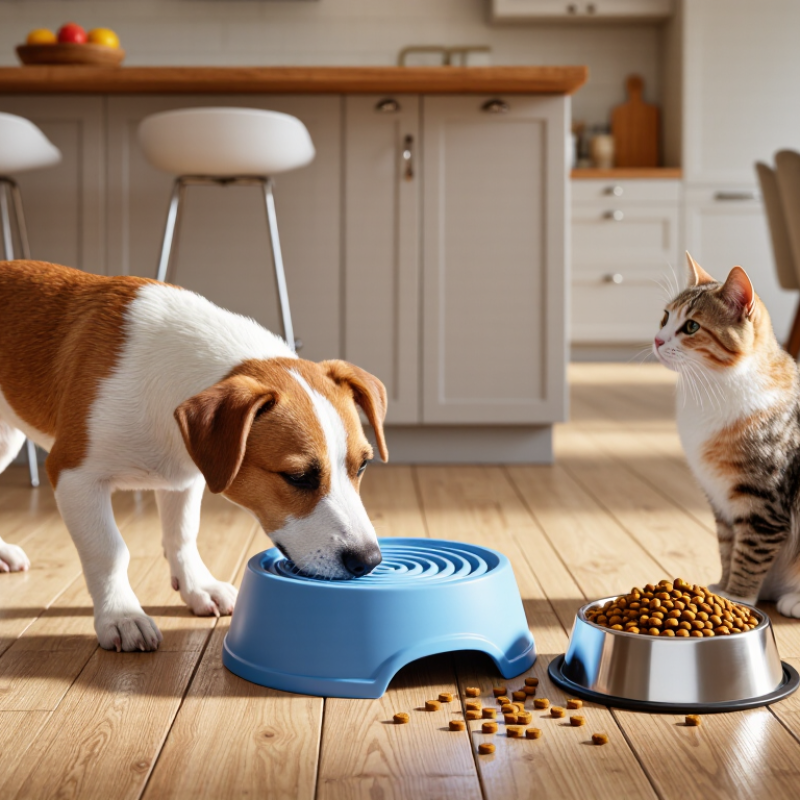
7 Tips Are Slow Feeders Better Than Regular Bowls?

What Slow Feeders and Regular Bowls Are

7 Tips: Are Slow Feeders Better Than Regular Bowls?

What Slow Feeders and Regular Bowls Are

A regular bowl is an open container with a smooth, accessible surface. Dogs can usually reach every piece within seconds. Common materials include stainless steel, ceramic, and food-grade plastic. Its simple shape makes cleaning easier, especially after wet food. However, fast eaters may swallow large mouthfuls and barely chew.

A slow feeder uses raised ridges, channels, or separate compartments. These obstacles spread food across the bowl and require more controlled licking and picking. The goal is slower eating, not punishment. A 2022 Association for Pet Obesity Prevention survey estimated that 59% of dogs were overweight or obese. Eating speed is not the only cause, but portion control and feeding behavior still matter. Every mouthful counts.

In practical feeding, a slow feeder may help a dog that gulps meals, searches for crumbs, or finishes before other pets. Yet evidence should be read carefully. It does not replace veterinary assessment, measured portions, or safe food handling. The American Animal Hospital Association emphasizes individualized nutrition plans based on age, activity, body condition, and health. A deep maze can frustrate short-nosed dogs or pets with joint pain. I would start with gentle, widely spaced ridges and observe closely. Some dogs adapt quickly. Others need a regular bowl after all. Wash the feeder after each wet-food meal, because hidden residue can remain in narrow channels.

Are Slow Feeders Better Than Regular Bowls?

A comparison of common physical features found in slow-feeder and regular food bowls.

Slow feeders use raised ridges, maze-like sections, or separate compartments to make food harder to access and encourage smaller bites and pauses. Regular bowls usually have an open, smooth surface, allowing food to be reached more quickly. The 0–5 ratings describe typical bowl-design features rather than clinical feeding-speed measurements.

How Slow Feeders Affect Pet Eating Habits

7 Tips Are Slow Feeders Better Than Regular Bowls?

How Slow Feeders Affect Pet Eating Habits

Slow feeders change how pets collect and swallow food. Instead of gulping a full meal, a dog or cat must move around ridges, grooves, or openings. This can reduce rapid eating, swallowed air, and messy post-meal behavior. Some pets also seem calmer because feeding takes longer. However, the effect depends on the animal’s size, age, eating style, and bowl design.

A suitable feeder should be stable, easy to wash, and difficult to tip over. The spaces must match the pet’s muzzle and food size. Very deep grooves may frustrate flat-faced pets or animals with dental pain. Watch for signs such as pawing, whining, food guarding, or leaving meals unfinished. These details matter. A slower meal is not automatically a better meal.

Tips: Start with a simple design and place small portions inside. Observe one meal without rushing your pet. If food remains trapped, loosen it immediately. Wash the feeder after wet food, since hidden residue can grow bacteria. Veterinary guidance is useful when vomiting, weight loss, dental disease, or extreme hunger appears. I would not assume every slow feeder works equally well; some pets eat more anxiously when the challenge feels too difficult. Regular bowls may remain appropriate for gentle eaters who finish meals comfortably.

Seven Benefits of Choosing a Slow Feeder

7 Tips Are Slow Feeders Better Than Regular Bowls?
Seven Benefits of Choosing a Slow Feeder

After observing pets at mealtimes, I have noticed how quickly some finish a full serving. A slow feeder changes that pattern. Its ridges or pockets encourage smaller bites and slower swallowing. This may support more comfortable digestion. It can also reduce gulping and swallowed air. The textured route adds gentle mental stimulation. Sniffing and searching can make an ordinary meal more engaging. Some pets become frustrated, though. It is not magic.

Measured food placed across several sections can improve portion awareness. Pets often receive a clearer eating routine this way. A slower pace may help owners notice unusual hunger or leftover food. That information can support earlier conversations with a veterinarian. The feeder may also reduce bowl pushing and scattered kibble. Less mess can mean cleaner floors around the feeding area. For pets that eat from boredom, the added effort may make meals feel less automatic.

Choose a design that matches the pet’s size, muzzle shape, and eating habits. Very deep grooves can challenge short-nosed pets. Start with a simple pattern and observe breathing, posture, and persistence. Wash the feeder after each wet-food meal. Dry food still leaves crumbs and saliva behind. Some animals need a regular bowl on stressful days. I would adjust gradually, because forcing a new feeder can create more anxiety than benefit.

Possible Drawbacks and Safety Considerations

7 Tips: Are Slow Feeders Better Than Regular Bowls?

Slow feeders can reduce gulping, but they are not automatically safer. Their ridges and channels make pets work for each bite. This may help some fast eaters with bloating, vomiting, or choking risks. However, research and veterinary experience do not prove that every pet needs one.

Choose a feeder with wide, rounded spaces. Your pet’s nose should reach the food without scraping the face. Watch the first few meals closely. Stop using it if your pet coughs, paws at the bowl, or becomes distressed. Flat-faced pets may struggle with deep patterns. In that case, a shallow puzzle design may work better. A poor fit can create stress, not healthy eating.

Use clean, non-slip materials, and wash the feeder after wet food. Food trapped in narrow gaps can spoil quickly. Inspect it for cracks, sharp edges, or loose pieces. Replace it when damage appears. Measure portions carefully, because slow feeding does not prevent overeating. Soft food may also become difficult to remove completely. Some pets eat calmly from regular bowls and gain no clear benefit from added obstacles. I have seen owners focus on speed while overlooking anxiety, dental pain, or an unsuitable diet. That is an easy mistake. If vomiting continues, seek veterinary advice instead of simply changing bowls.

How to Choose and Introduce the Right Feeder

Choosing a slow feeder starts with your pet’s eating habits, not its appearance. Watch one meal with a timer. Does your dog finish in under two minutes, gulp air, or push the bowl across the floor? These details help you choose the right design. Shallow ridges suit beginners and short-nosed dogs. Deeper patterns may challenge fast eaters, but they can frustrate nervous pets. The feeder should match your dog’s size, snout, and daily portion.

Look for stable, food-safe materials with smooth edges. A wide, non-slip base prevents chasing across the kitchen. Avoid narrow grooves if your dog has joint pain or trouble reaching down. Choose a feeder that can be cleaned thoroughly, including underneath its maze. Some designs look clever but trap wet food in hidden corners. I once assumed a harder puzzle was better. It was not. My dog began leaving food behind.

Introduce the feeder gradually. Place a small portion in it beside the regular bowl for several meals. Reward calm investigation, but do not force your pet’s nose into the grooves. Increase the portion slowly when eating remains relaxed. Begin with dry food if your veterinarian approves, then test moist food carefully. Watch for coughing, vomiting, pawing, or unusual frustration. Stop and reassess if these signs appear. A slower meal is useful, not a daily battle. Clean the feeder after wet meals, and inspect it weekly for cracks or rough spots.

FAQS

What is a slow feeder?

A slow feeder has ridges, channels, or separate sections. These features spread food around the bowl. Dogs must lick and pick more carefully.

How does a regular bowl differ?

A regular bowl has a smooth, open surface. Most dogs can reach every piece quickly. Fast eaters may swallow large mouthfuls with little chewing.

Can a slow feeder improve digestion?

Slower eating may support more comfortable digestion. It can also reduce gulping and swallowed air. Results differ between dogs.

Does a slow feeder help with weight control?

It may improve portion awareness and eating routines. However, measured portions still matter most. A bowl cannot replace proper feeding guidance.

Which dogs may benefit from one?

It may suit dogs that gulp meals or finish before other pets. It can also help dogs that constantly search for crumbs. Some dogs dislike the extra effort.

Can a slow feeder frustrate a dog?

Yes, especially with deep grooves or complex mazes. Short-nosed dogs may struggle more. Dogs with joint pain may also find reaching uncomfortable.

How should owners introduce a slow feeder?

Start with wide, shallow ridges. Place familiar food across several sections. Watch breathing, posture, and persistence during meals. Do not force the change.

How should a slow feeder be cleaned?

Wash it after every wet-food meal. Food residue can hide inside narrow channels. Dry food leaves crumbs and saliva too. Let it dry fully.

Should every dog use a slow feeder?

No. Some dogs eat comfortably from regular bowls. Others need a simpler feeder during stressful days. I would observe carefully and adjust when needed.

Conclusion

Are slow feeders better than regular bowls? The answer depends on your pet’s eating habits, health, and comfort. Regular bowls allow quick, unrestricted eating, while slow feeders use ridges, compartments, or maze-like designs to make pets work for each bite. This can encourage slower eating, improve portion awareness, reduce gulping, and provide gentle mental stimulation. For pets that eat too quickly, slow feeders may help limit choking, vomiting, bloating, and digestive discomfort while making mealtimes more engaging.

However, slow feeders are not ideal for every animal. Some designs may be frustrating, difficult to clean, or unsuitable for pets with short noses, dental problems, or mobility limitations. Owners should choose a feeder with safe, smooth surfaces, an appropriate difficulty level, and a size that matches the pet. Introduce it gradually by adding familiar food and observing the pet’s behavior. If the pet shows stress or struggles to eat, return to a simpler option and seek veterinary advice when necessary.

Ethan

Ethan

Ethan is a seasoned marketing professional with a deep expertise in our company's innovative product line. With a passion for sharing knowledge and insights, he takes the lead in regularly updating our corporate blog, where he explores industry trends, product features, and effective marketing......