How long should mealtime take for dogs? The honest answer depends on breed, age, health, food texture, and eating habits. Many healthy dogs finish a measured meal within 5 to 15 minutes. However, rapid eating can cause choking, vomiting, discomfort, or poor digestion. Some dogs need longer because they chew carefully, feel anxious, or have dental problems.
Dr. Ernie Ward, veterinarian and founder of the Association for Pet Obesity Prevention, has often reminded owners, “Food is love, but too much food is not.” His message matters when choosing a feeder. A reliable feeder should support measured portions, steady access, and calmer eating. Slow-feed bowls, puzzle feeders, and timed automatic feeders can help, especially for dogs that swallow kibble in seconds. A feeder is not a cure-all.
China’s best dog feeders often combine portion control, app scheduling, stainless-steel bowls, and removable parts. These details sound practical, but small design flaws still matter. A narrow opening may frustrate a short-nosed dog. A slippery base may send dinner across the kitchen floor. I have also seen owners trust feeding schedules too much, while ignoring changes in appetite or weight. That deserves reflection. Mealtime length should be observed, not forced. Watch the bowl, the posture, the breathing, and the dog’s behavior afterward. If eating suddenly becomes slower, faster, or uncomfortable, consult a veterinarian. The right feeder supports healthy habits; it does not replace professional care.
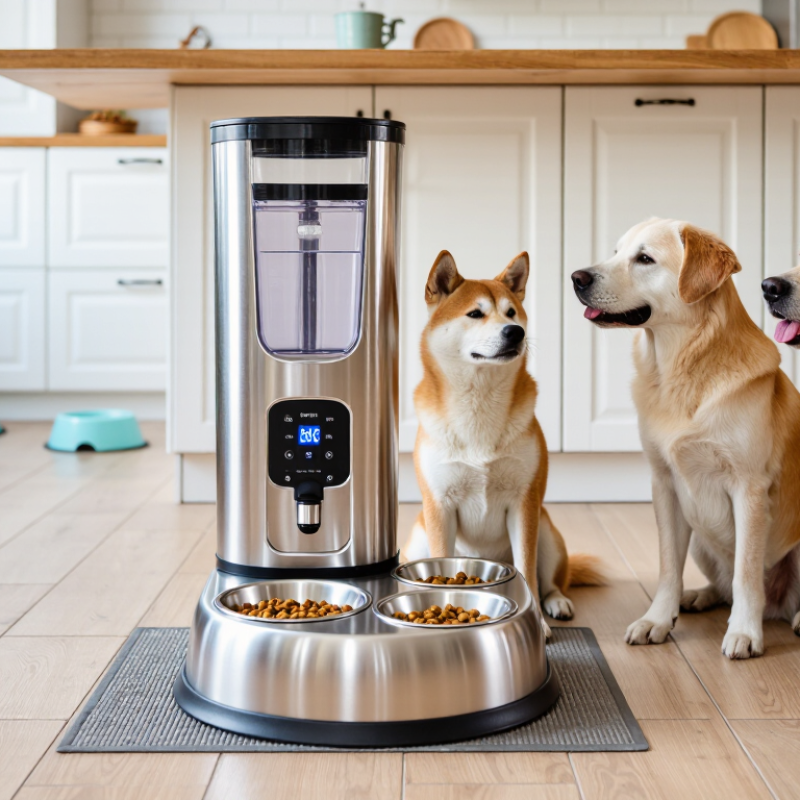
A dog’s mealtime should usually last about 10 to 20 minutes. This gives the dog enough time to chew and swallow comfortably. Some dogs finish much faster, especially when food feels exciting or scarce. Eating in under two minutes may increase choking, gulping, or digestive discomfort. However, every dog is different. A small puppy may need several shorter meals, while an older dog may eat more slowly because of dental pain or reduced appetite.
Watch the bowl, not only the clock. Your dog should remain relaxed, chew normally, and leave the meal without vomiting or repeated coughing. If a dog suddenly takes much longer to eat, check for sore gums, loose teeth, nausea, or stress. A veterinarian can identify medical causes more reliably than home observation. I have found that owners sometimes expect every meal to look perfectly calm, but real feeding routines can be uneven.
A dog’s mealtime does not follow one perfect schedule. Many healthy adult dogs eat within five to fifteen minutes. However, age, breed size, appetite, and food texture can change that pace. Puppies often eat eagerly, while older dogs may need more time. Dry pieces usually disappear faster than moist or mixed meals.
The feeder also affects eating speed. A deep bowl may make some dogs gulp, especially if they feel competition nearby. A wide, slow-feeding design can encourage smaller bites and more chewing. Stress, heat, unfamiliar surroundings, or sudden diet changes may also reduce appetite. I once assumed a fast eater was simply hungry, but the real issue was excitement around other dogs. That experience was a useful reminder: eating behavior needs context.
Tips: Observe the whole meal. Does your dog cough, gag, drop food, or vomit afterward? If so, slow the meal and speak with a veterinarian. Measure portions carefully, because longer eating does not always mean better digestion. Feed in a quiet area, keep fresh water nearby, and avoid changing the feeder too quickly. A dog that suddenly eats much faster or slower deserves attention, especially when weight, stool, or energy also changes. Small details matter.
| Factor or Mealtime Pattern | Typical Influence on Eating Speed | What You May Observe | Practical Feeding Approach |
|---|---|---|---|
| Very fast eating | The meal is finished in only a few minutes, with little chewing. | The dog gulps food, swallows quickly, or shows occasional coughing, regurgitation, or vomiting after meals. | Divide the daily ration into smaller meals and consider a slow-feeder design, food puzzle, or supervised scatter feeding. |
| Moderate, consistent pace | A steady pace with normal chewing and no signs of distress is generally acceptable. | The dog remains comfortable, finishes the meal reliably, and returns to normal activity afterward. | Maintain a measured portion, fresh water, a quiet feeding area, and a consistent schedule. |
| Unusually slow or unfinished meal | A sudden reduction in appetite can be more important than the exact number of minutes. | The dog repeatedly walks away, drops food, chews on one side, or takes much longer than usual. | Check food freshness, bowl access, stress, and dental comfort. Contact a veterinarian if the change persists or is accompanied by other symptoms. |
| Dry kibble | Small, uniform pieces are often easy to pick up and may be eaten quickly. | The dog may swallow several pieces at once, especially when highly food-motivated. | Use an appropriately sized slow-feeder or puzzle feeder, and avoid making the food difficult to access for dogs with mobility or vision problems. |
| Wet or fresh food | Soft texture can reduce chewing, although strong aroma may also encourage rapid eating. | The dog may lick or swallow the meal with little mechanical chewing. | Offer measured portions and use a shallow, suitable dish or a food-safe licking or puzzle option when appropriate. |
| Large meal size | A larger portion can increase total eating time but may still be consumed too quickly. | The dog appears very hungry, eats rapidly, or has a visibly full abdomen after eating. | Measure the complete daily ration and divide it into two or more meals when suitable for the dog. |
| Age and life stage | Puppies may eat eagerly, while older dogs may slow down because of dental discomfort, reduced appetite, or other health changes. | Eating speed changes as the dog grows, or the dog begins avoiding hard food. | Adjust food texture and portion frequency with veterinary guidance, especially for puppies, seniors, and dogs with medical conditions. |
| Breed and body shape | Muzzle length, jaw shape, body size, and individual temperament can affect how easily food is picked up and chewed. | Some dogs struggle with deep bowls, narrow openings, or food pieces that are unsuitable for their mouth size. | Choose a bowl and food-piece size that allow comfortable access without forcing awkward posture or excessive effort. |
| Competition or anxiety | The presence of other pets, noise, or previous food insecurity may cause hurried eating. | The dog guards the bowl, watches other animals, or eats faster when another pet approaches. | Feed pets separately in a calm area and avoid disturbing or taking food away while the dog is eating. |
| Exercise and appetite | Activity can influence hunger, but intense exercise immediately before or after a large meal is not advisable. | The dog is unusually hungry after activity or appears uncomfortable after eating and exercising. | Allow a calm period around meals and follow a veterinarian’s advice for large or deep-chested dogs at risk of gastric problems. |
| Health and dental condition | Mouth pain, gastrointestinal disease, swallowing difficulty, or medication effects may alter eating speed. | Drooling, bad breath, pawing at the mouth, repeated vomiting, weight change, lethargy, or difficulty swallowing. | Do not rely only on a feeder. Arrange veterinary assessment when eating changes are persistent, sudden, or accompanied by symptoms. |
Note: There is no single ideal mealtime duration for every dog. A dog’s usual eating pattern, comfort, portion control, and overall health are more meaningful than a fixed time target.
Choosing a dog feeder for controlled eating starts with your dog’s behavior, not the product’s appearance. In my experience, a fast eater needs a wide, stable slow-feeder bowl with shallow ridges. Deep grooves can frustrate dogs with short noses. A small dog may need a raised edge, while a large dog often needs heavier construction to prevent sliding. Stainless steel or food-safe ceramic is easier to clean than porous surfaces. Check the bowl after every meal. Greasy corners can hide old food.
A healthy mealtime usually lasts about 10 to 20 minutes, but the right pace varies. Puppies, senior dogs, and dogs with dental pain may need softer food and easier access. Veterinary feeding guidance commonly supports measured portions, regular schedules, and gradual changes. For dry food, an automatic feeder can divide the daily amount into smaller servings. It should not replace observation. Watch whether your dog coughs, paws at the bowl, leaves food, or becomes anxious. Those signs may mean the feeder is too difficult or the portion is unsuitable. Never reduce food simply because the bowl slows eating.
Test the feeder during a quiet meal, then measure the actual delivery with a kitchen scale. Some dispensers release uneven portions, especially with different kibble shapes. That detail is easy to miss. Clean moving parts weekly and inspect cracks, loose rubber, or trapped moisture. I would also rethink “slow is always better.” A dog that takes thirty minutes and repeatedly gives up is not eating comfortably. Controlled eating should feel calm, observable, and adjustable, not like a puzzle with one rigid answer.
Typical time ranges for one meal using different feeder designs
A controlled meal commonly takes about 10–20 minutes, although the ideal duration depends on the dog’s size, eating speed, food type, and feeder design. Standard bowls may allow rapid eating, while slow-feed bowls, lick mats, and puzzle feeders can extend mealtime. Introduce any new feeder gradually and make sure the dog can access the food without frustration.
A safe feeding routine starts with consistency, not speed. A practical mealtime window is 10–20 minutes for most healthy adult dogs. Offer the measured portion at the same times each day, then remove leftovers calmly. This helps owners notice appetite changes, which may signal dental pain, illness, or stress. Puppies, senior dogs, and dogs with medical conditions may need different schedules. Ask a veterinarian before changing their routine.
Fast eating deserves attention. A dog that finishes in under two minutes may swallow air, choke, or vomit afterward. A slow feeder, food puzzle, or several small portions can make eating safer. Keep the bowl stable on a dry, non-slip surface. Never force a dog to finish food. Some dogs simply need less at one meal. The routine should be predictable, but not rigid.
The World Small Animal Veterinary Association recommends monitoring calories, body condition, and weight rather than relying only on feeding labels (WSAVA, Global Nutrition Guidelines, 2021). That matters because the Association for Pet Obesity Prevention reported that about 59% of surveyed dogs were overweight or obese in 2022. That figure deserves careful interpretation, but it shows why portions matter. Check your dog’s ribs monthly. You should feel them beneath a thin layer, not press deeply. My initial 15-minute rule is only a starting point; age, breed, appetite, and health can change the answer.
Mealtime should feel calm, not like a timed contest. Most healthy dogs finish a normal portion within several minutes, but appetite and feeding speed vary. A sudden change matters more than an exact number. Watch the bowl, the floor, and your dog’s body language. A dog that gulps, coughs, or repeatedly circles the feeder may be struggling with speed or discomfort. So may a dog that walks away, then returns nervously.
With automatic dog feeders, inspect portions and dispensing accuracy weekly. A jammed opening can leave a dog hungry for hours. Excess food can cause rapid eating and weight gain. Use a level scoop and record the amount, especially when several people feed the dog. Veterinary nutrition guidance favors measured portions, fresh water, and steady schedules. Puzzle bowls or slower dispensing can help some gulpers, but not every dog. Some become frustrated and eat less.
Pay close attention to vomiting, diarrhea, drooling, swollen gums, or unusual thirst. These signs deserve veterinary advice, particularly when they continue or appear with weight loss. Do not punish a dog for refusing food. Stress, dental pain, heat, and illness can all change mealtime habits. It is tempting to blame the feeder first. That assumption can be wrong. Check the machine, then check the dog. Keep a simple three-day log of portions, eating time, stool, and behavior. Small details often reveal the real pattern.
Most meals last about 10 to 20 minutes. Healthy adult dogs may finish within five to fifteen minutes. Eating in under two minutes may suggest gulping or excitement. Every dog differs.
Not always. Some dogs eat quickly when food feels exciting or scarce. Fast eating can increase choking, coughing, or stomach discomfort. A shallow, stable bowl may encourage safer bites.
Dental pain, loose teeth, nausea, or reduced appetite can slow eating. Watch for dropping food, drooling, or swollen gums. Do not assume slower eating is simply age.
Yes. Puppies may need several smaller meals. They often eat eagerly and may rush their food. Smaller portions can make each meal easier to manage.
A deep bowl may encourage gulping in some dogs. A wide, slower-feeding design can promote smaller bites. Introduce it gradually. Some dogs become frustrated and eat less.
Watch for repeated coughing, gagging, vomiting, diarrhea, or unusual thirst. Walking away and returning nervously may also matter. A sudden change deserves attention, even if the meal time seems normal.
Inspect dispensing accuracy each week. A blocked opening may leave a dog hungry for hours. Excess food can cause rapid eating and weight gain. Use a level scoop and record portions.
Seek veterinary advice when eating remains difficult for several days. Contact one sooner for weight loss, low energy, vomiting, or painful gums. Home observation helps, but it can miss medical causes.
Keep a three-day log of portions, eating time, stool, and behavior. Feed in a quiet area with fresh water nearby. Not every meal looks perfect. Context matters more than one clock reading.
Understanding how long should mealtime take for dogs can help owners support healthier eating habits and notice potential concerns early. While many dogs finish a meal within several minutes, the ideal pace depends on factors such as age, size, food type, appetite, activity level, and individual behavior. Eating too quickly may lead to choking, digestive discomfort, or overeating, while a sudden change in eating speed can sometimes signal stress or a health issue.
A suitable feeder can encourage slower, more controlled eating by adding gentle pauses and making food more engaging. Owners should establish a safe, consistent routine with measured portions, fresh water, and a calm feeding area. If a dog regularly takes an unusually long time to eat, refuses food, vomits, coughs, shows discomfort, or changes its eating pattern suddenly, these habits deserve attention and may require professional veterinary advice.
