A quiet meal can reveal more than hunger. If your dog freezes beside the bowl, eats quickly, paces, or leaves food untouched, you may wonder, “why does my dog get stressed while eating?” The answer is rarely simple. Noise, another pet, a slippery bowl, strong smells, pain, or previous competition can affect a dog’s comfort. Even the bowl’s height, shape, and location may matter.
Veterinary behaviorist Dr. Karen Overall emphasizes, “Fear is a normal, adaptive response to threat.” That reminder matters. Stress is not stubbornness or bad behavior. It is communication. A dog lowering its head, licking its lips, showing the whites of its eyes, or guarding food may be asking for safety. Watch closely.
This guide examines China top dog bowls through a practical, welfare-focused lens. We will consider stainless steel, ceramic, slow-feeder, elevated, and travel designs. Each option has strengths and limits. A heavy ceramic bowl may stay still, while a narrow bowl might bother a dog with long ears. A slow feeder can reduce gulping, but it may frustrate an anxious eater. I once assumed a larger bowl always helped. That was too simple.
A reliable choice begins with observation, not appearance. Offer meals in a calm corner. Keep children and other animals away. Clean the bowl daily, and notice changes in appetite or posture. Persistent distress, vomiting, drooling, or sudden food refusal requires veterinary advice. This article cannot replace a clinical assessment, but it can help you notice meaningful details before choosing your dog’s next bowl.
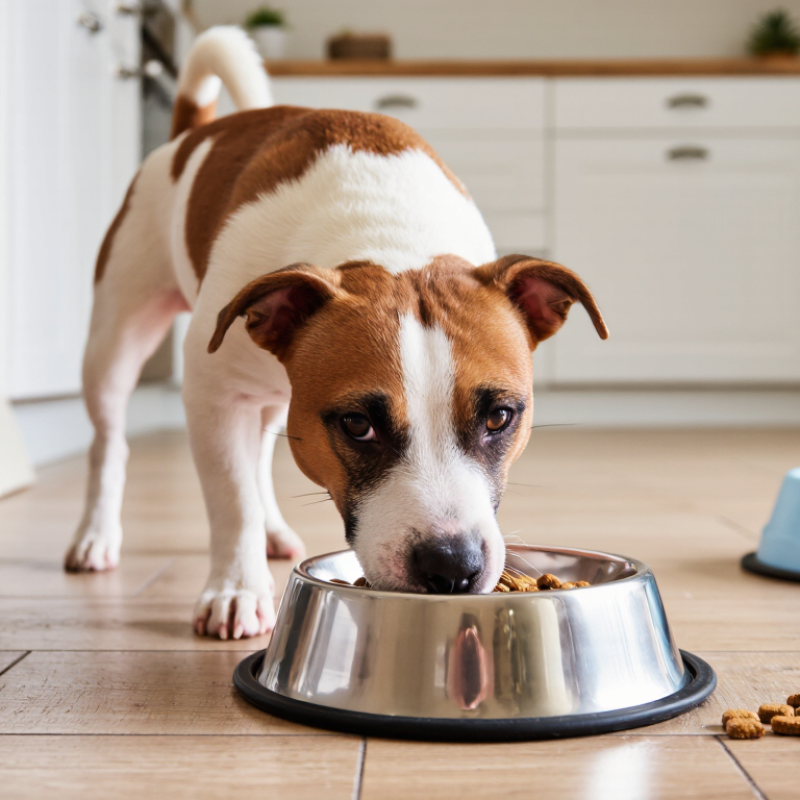
A quiet meal can reveal more than a full food bowl. During mealtimes, a stressed dog may freeze, pace, pant, lick its lips, or keep one paw lifted. Some dogs eat too quickly, then suddenly stop. Others guard the bowl, turn away, or watch every movement in the room. These signals can be subtle. A wagging tail does not always mean comfort.
The 2024 PDSA Animal Wellbeing Report collected responses from more than 5,000 pet owners, showing how frequently owners notice anxiety-related behavior in companion animals. However, owner surveys cannot diagnose feeding stress. Veterinary behavior professionals recommend reading posture, appetite, breathing, and avoidance together. Bowl height, noise, slippery floors, and nearby animals may all increase pressure. A deep or unstable bowl can also make eating awkward, especially for older dogs. I have sometimes blamed “bad behavior” too quickly. That assumption deserves rethinking. Try a steady bowl, a quieter corner, and more space between dogs. Record what happens for several meals. If your dog repeatedly refuses food, vomits, drools heavily, or becomes defensive, contact a veterinarian. Stress and pain can look surprisingly similar.
| Observed Mealtime Sign | What It May Look Like | Possible Stress Trigger | Practical Response | When to Seek Veterinary Advice |
|---|---|---|---|---|
| Eating unusually fast | Gulping food, barely chewing, coughing, or repeatedly looking around while eating. | Competition with other pets, a history of food scarcity, or fear that food will be removed. | Feed separately in a quiet area and use smaller portions served gradually. Avoid taking the bowl away while the dog is eating. | Contact a veterinarian if choking, repeated vomiting, breathing difficulty, or sudden changes in appetite occur. |
| Stopping and scanning the room | The dog pauses, lifts its head, watches people or animals, and may leave the bowl before returning. | Noise, foot traffic, unfamiliar surroundings, or another pet approaching the feeding area. | Move the bowl away from doorways, busy walkways, loud appliances, and other animals. | Seek advice if the behavior is new, persistent, or accompanied by pain, lethargy, or weight loss. |
| Whining, pacing, or panting | The dog circles the bowl, vocalizes, pants when it is not hot, or cannot settle before eating. | Anticipation, anxiety, unfamiliar routines, or discomfort around the feeding location. | Keep feeding times predictable, allow a calm transition, and reward relaxed behavior without forcing interaction. | Veterinary assessment is appropriate if panting or restlessness occurs outside mealtimes or appears painful. |
| Avoiding the bowl | The dog approaches, sniffs, backs away, or eats only when food is placed on the floor or hand-fed. | Bowl noise or movement, an unpleasant location, a strong odor, or pain involving the mouth, teeth, or neck. | Try a stable, easy-to-clean bowl and a quiet location. Do not force the dog's face toward the bowl. | Arrange a prompt veterinary check if refusal lasts more than a day or includes drooling, difficulty chewing, or facial sensitivity. |
| Freezing or stiff body posture | The dog becomes still, lowers its head over the bowl, keeps its body rigid, or watches anyone nearby. | Perceived threat, previous punishment near food, or concern that food may be taken away. | Give the dog space and manage access so people and pets cannot disturb it during meals. | Consult a qualified veterinary behavior professional if freezing progresses to growling, snapping, or biting. |
| Growling or guarding the bowl | The dog stiffens, shows teeth, growls, or blocks access when a person or animal comes close. | Resource guarding, fear of losing food, or competition with another animal. | Do not punish or test the behavior. Use physical separation and seek reward-based professional guidance. | Seek professional help promptly, especially where children, vulnerable adults, or other pets are present. |
| Repeated lip licking or yawning | The dog licks its lips, yawns repeatedly, turns its head away, or shows the whites of its eyes. | Mild anxiety, social pressure, unfamiliar handling, or a stressful feeding environment. | Reduce noise and handling, increase distance from people or pets, and observe without staring. | Ask a veterinarian if these signs occur frequently, intensify, or appear with nausea or oral discomfort. |
| Leaving food unfinished | The dog eats less than usual, walks away, or shows interest but does not complete the meal. | Stress, environmental change, reduced appetite, dental pain, illness, or a feeding schedule mismatch. | Track food intake, keep the routine consistent, and avoid repeated changes to the diet without professional advice. | Contact a veterinarian for prolonged appetite loss, rapid weight change, vomiting, diarrhea, or marked tiredness. |
The bowl may slide, clang, wobble, or reflect bright light. Eating can feel unpredictable. It may not be stubbornness.
Watch for lip licking, freezing, pacing, tucked ears, head shaking, or repeated glances. Appetite alone cannot tell the whole story.
Yes. Deep sides may press against sensitive whiskers. A wider, shallow dish can reduce hesitation and head shaking.
Choose a quiet, stable area away from doors, machines, and heavy foot traffic. Keep other pets from crowding the dog.
Choose a smooth bowl with a wide, weighted base. It should stay still during each bite. Simple designs may work best.
Food-grade stainless steel and glazed ceramic can be practical choices. Check ceramic surfaces for chips. Replace damaged bowls.
Change one detail at a time, such as adding a non-slip mat. Observe the first few minutes of eating. Do not force the issue.
They may help dogs that eat too quickly. Complicated ridges can frustrate anxious dogs. Try a simpler design first.
Wash the bowl thoroughly and rinse away every trace of soap. Strong detergent smells may discourage eating. Small residue matters.
Seek veterinary advice if stress continues, eating becomes painful, or vomiting appears. Dental disease and neck pain can resemble bowl anxiety. I might blame the bowl too quickly.
Some dogs show stress during mealtimes through pacing, hesitation, lip licking, whining, excessive drooling, growling, or repeatedly leaving the bowl. If you wonder, “why does my dog get stressed while eating,” the cause may be connected to the bowl itself, the feeding space, or past experiences. A bowl that slides, makes noise, reflects light, feels uncomfortable, or is difficult to reach can create anxiety or physical discomfort. Crowded areas, nearby pets, sudden interruptions, and competition over food may also make eating feel unsafe.
To support calmer meals, choose a stable, appropriately sized bowl with a comfortable shape and a quiet surface. Place it in a peaceful area away from heavy foot traffic and other animals when possible. Keep feeding times predictable, avoid disturbing your dog while eating, and introduce any new bowl gradually. Offering smaller portions, maintaining a consistent routine, and observing your dog’s body language can also help. If stress continues or appears alongside pain, appetite changes, or unusual behavior, consult a qualified veterinarian.

 Croi Pet