When it comes to our beloved canine companions, we often wonder, "why does my dog get bloated after eating fast?" This issue can pose serious health risks, making it crucial for pet owners to understand the underlying causes. Bloating occurs when gas or food builds up in your dog's stomach. This can lead to discomfort and potential emergencies if left unaddressed.
Dogs that eat too quickly tend to swallow air along with their food. This trapped air can lead to painful distension. Furthermore, certain breeds, particularly those with deep chests, are more susceptible to bloating. Observing your dog’s eating habits is the first step towards prevention. Many pet owners inadvertently encourage fast eating by providing larger portions or using standard bowls.
If you notice your dog frequently bloating, it’s important to seek advice from a veterinarian. They can provide tailored strategies to help. Meanwhile, consider engaging slow feeder bowls or smaller, more frequent meals. Addressing this issue early can significantly improve your dog's well-being and overall health. Remember, it’s about refining our understanding and taking action for our furry friends.
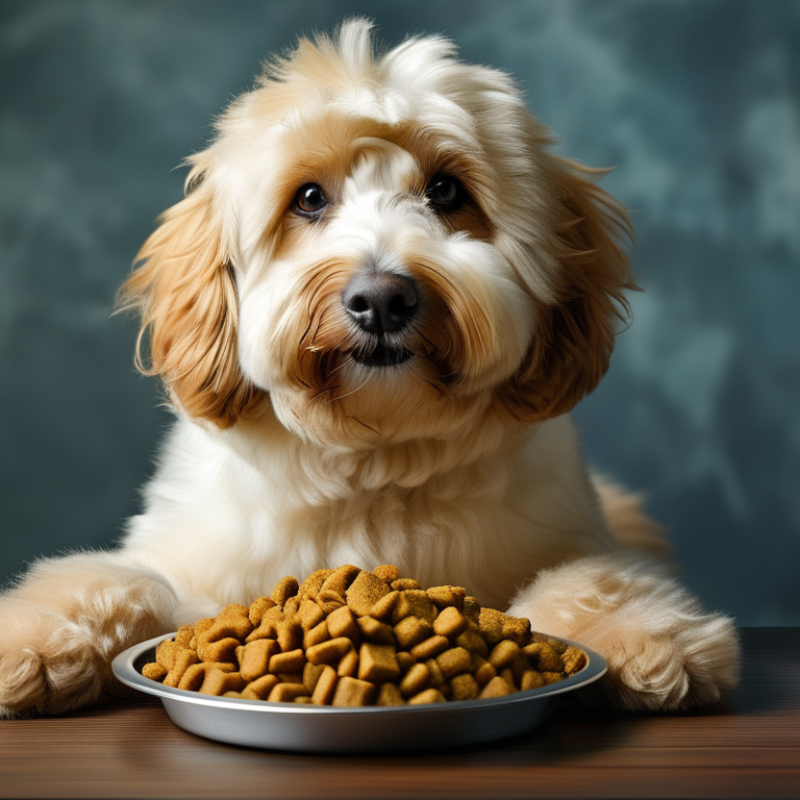
Dog bloat, or gastric dilatation-volvulus, is a serious condition that affects many dogs. It occurs when the stomach fills with gas and twists on itself. Understanding the causes and symptoms is crucial for dog owners. Key signs include a swollen abdomen, restlessness, and attempts to vomit without success. Recognizing these symptoms early can be life-saving for your pet.
Several factors contribute to bloat. Large, deep-chested breeds are more prone. Eating too quickly is another risk factor. Dogs that rush their meals may swallow air, contributing to bloating. Heavy exercise before or after meals can also initiate this problem. Reflect on your dog's eating habits and encourage slower eating through various techniques, like using puzzle feeders.
Not all cases are preventable, and sometimes we can’t help. It can be alarming to see your dog in distress. Keep a close watch on your pet, especially after meals. Consider adjusting their diet and meal schedule. Providing smaller, more frequent meals may help reduce the risk. Understanding bloat empowers you to take action quickly.
This chart illustrates the various causes of dog bloat, highlighting that overeating and eating too fast are the most significant contributors. Understanding these factors can help pet owners prevent bloating in their dogs.
Bloat, or gastric torsion, can be a serious concern for dogs. Identifying risk factors is crucial to preventing this life-threatening condition. Larger breeds and deep-chested dogs, like Great Danes and Doberman Pinschers, are more susceptible. The way dogs eat also plays a role. Rapid eating or gulping down food can increase the risk of bloat. Dogs that are anxious or stressed during mealtime may be more prone to quick eating habits.
Portion control is an important factor. Feeding smaller, more frequent meals can help. This approach allows your dog to digest food better. It is important to monitor your dog’s eating habits closely. If your dog finishes its meal too quickly, consider using a slow feeder bowl. This can promote healthier eating and reduce the risk of bloat. Encouraging a calm environment during meals is also beneficial. Quiet, stress-free surroundings help in managing how fast a dog eats.
Vigilance is key. Watch your dog for signs of bloat, such as a swollen abdomen or restless behavior. Early intervention can make a significant difference. Seek veterinary advice if you notice unusual behaviors or signs of discomfort after eating. Addressing these issues proactively can help safeguard your dog’s health and well-being.
| Risk Factor | Description | Prevention Tips |
|---|---|---|
| Large Breed Dogs | Dogs like Great Danes and Boxers are more prone to bloat. | Feed smaller, frequent meals instead of large portions. |
| Eating Speed | Dogs that eat quickly are at a higher risk. | Use slow-feeder bowls or puzzle toys. |
| Exercise | Inadequate exercise can contribute to bloat. | Ensure regular exercise but avoid vigorous activity immediately after meals. |
| Stress | High-stress environments can trigger bloat. | Create a calm feeding environment and minimize stressors. |
| Dietary Factors | Certain ingredients may increase gas production. | Choose highly digestible foods and avoid gas-producing ingredients. |
Bloat in dogs can be serious. To help prevent it, focus on how you feed your dog. Many dogs eat too fast. This can lead to discomfort and bloating. Simple changes can make a big difference.
One effective technique involves using a slow feeder bowl. These bowls have obstacles that slow down how fast your dog eats. You can also try spreading food on a flat surface. This encourages your dog to take smaller bites. Meal timing is crucial too. Feeding smaller portions more frequently can reduce the stress on their stomach.
Another idea is to engage your dog before meals. A short walk or some playtime can help burn off energy. This can make mealtime calmer. Observe your dog during feeding. If they still gobble up their food, it might be worth reflecting on your method. Small adjustments can greatly improve your dog's eating habits.
Implementing a slow feeding strategy can significantly reduce the risk of bloating in dogs. Rapid eating often leads to excessive air intake, which is a common cause of bloat. According to the University of California, about 20% of dogs that eat quickly experience gastrointestinal distress. It’s crucial to slow down their eating pace to mitigate this risk.
Consider using slow feeders or puzzle bowls that encourage dogs to work for their food. These devices can decrease the speed of consumption by making it more challenging to access every last bite. The American Kennel Club highlights that this change can improve digestion and reduce anxiety during meals. Additionally, feeding smaller portions throughout the day can assist in managing their eating habits, which is essential for dogs prone to bloat.
Monitoring your dog's eating behavior is vital. Some pets may need extra supervision to ensure they are eating at a healthy pace. Observing how your dog interacts with their food can reveal preferences and habits that contribute to bloating. If your dog seems rushed or anxious during meal times, it might indicate underlying stressors that need addressing. Ultimately, adopting a slow feeding strategy not only prevents bloat but also promotes a healthier and more enjoyable dining experience for your pet.
Monitoring your dog's eating habits is crucial for preventing bloating after meals. A dog's stomach can easily become overwhelmed, leading to discomfort or serious health issues. Observe how quickly your dog eats. Fast eaters are more prone to gulping air along with their food. Using a slow feeder bowl can help manage their eating pace.
Tips: Encourage smaller portions. Instead of one large meal, divide food into two or three smaller servings. This simple change can significantly reduce the risk of bloating.
Pay attention to your dog's behavior during meals. Are they anxious or overly excited? Stress can worsen eating habits and lead to issues. Create a calm environment during meal times.
Tips: Avoid giving treats immediately before or after meals. This can lead to overeating and additional air intake. Monitor your dog's health and adjust feeding routines as necessary. If bloating persists, consult a veterinarian for further guidance. Regular check-ups can help spot underlying health issues.
: Dog bloat is a serious condition where the stomach fills with gas and twists.
Key symptoms include a swollen abdomen, restlessness, and unproductive vomiting attempts.
Large, deep-chested breeds of dogs face a higher risk for developing bloat.
Rapid eating can cause dogs to swallow air, increasing the likelihood of bloat.
Using slow feeders or puzzle bowls can help dogs eat more slowly and prevent bloat.
Consider feeding smaller portions several times a day to better manage risk factors.
Yes, heavy exercise before or after meals can initiate the bloating process in dogs.
Observing how your dog interacts with their food can reveal eating pace issues.
Not all cases of bloat are preventable, and sometimes it occurs despite precautions.
Keep a close watch on your dog and contact a vet immediately if symptoms appear.
Dog bloat, or gastric dilation, is a serious condition that can occur when dogs eat too quickly. Understanding why your dog gets bloated after eating fast is essential for preventing this issue. Common causes of bloat include excessive air intake during rapid eating, stress, and certain dietary factors. Identifying risk factors such as breed predisposition and feeding habits can further help dog owners take proactive steps.
To reduce the likelihood of bloat, implementing specific feeding techniques is crucial. This may include using slow feeders or puzzle bowls designed to extend mealtime and encourage slower eating. Monitoring your dog's eating habits and overall health is also vital. By paying attention to these factors, you can help ensure your dog's safety and well-being.
