After dinner, your dog may keep circling the bowl and licking its shiny bottom. A few extra licks can simply mean food smells remain, especially after wet meals or rich sauces. But repeated licking that is new, intense, or difficult to interrupt deserves closer attention. Many owners search, “why does my dog lick bowl repeatedly,” when this small habit starts happening every day.
The bowl itself can offer useful clues. Scratches may hold food residue, while a strong detergent scent or an awkward shape may affect how your dog eats. Wash bowls thoroughly, rinse them well, and check for damaged surfaces. China Top Dog Bowls can help owners compare practical bowl options, but no bowl can explain every behavior. Look for other changes, too: lip licking, drooling, vomiting, appetite shifts, or discomfort around the mouth. These signs do not prove a specific illness. They do make a veterinary conversation sensible, particularly if the behavior began suddenly or continues despite a clean bowl. Watch closely. Note when the licking happens and what your dog ate. It is easy to assume the bowl is the whole story; I would not. A brief habit may be harmless, yet persistent licking should not be dismissed as mere fussiness.
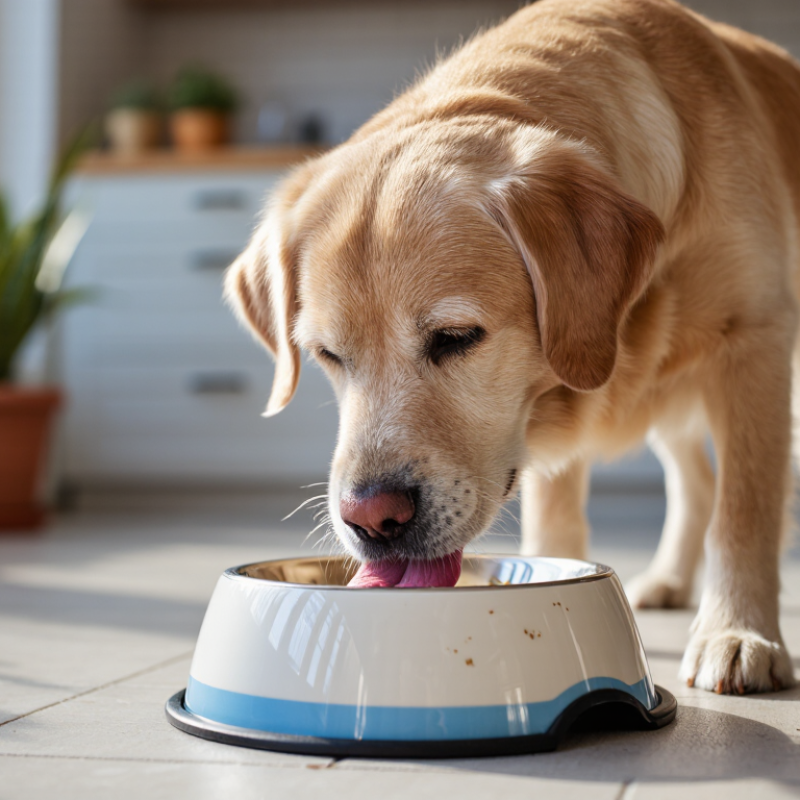
Dogs may lick their bowls repeatedly because a little food or scent remains on the surface. Wet food can cling around the rim, while dry food leaves a faint smell. Some dogs also learn that licking is part of their mealtime routine. It is easy to assume they are still hungry, but bowl licking alone does not prove that. Notice when it happens and whether anything else has changed.
Tips: Wash the bowl after meals and check its edges for stuck food. Try a different bowl material if the licking seems focused on scratches or residue. Keep a simple note of timing, appetite, and other behaviors. Small details matter.
Occasional licking is usually not concerning, especially when your dog eats, drinks, and behaves normally. Repeated, sudden licking deserves closer attention. Nausea, mouth discomfort, stress, or other health issues can sometimes affect licking behavior. Watch for drooling, vomiting, appetite changes, pawing at the mouth, or unusual restlessness. These signs do not identify a cause by themselves. If the behavior persists or comes with other symptoms, contact a veterinarian for advice. Don’t rely on observation alone when your dog seems unwell.
Repeated bowl licking can be normal, especially when a dog is searching for tiny food traces. Kibble dust, gravy, or a thin film of wet food may remain even when the bowl looks clean. Some dogs repeat familiar actions because meals are exciting, or because licking feels soothing. Just a habit.
Food-related causes are common, but not the only explanation. A dog may lick an empty dish after receiving a smaller portion, eating quickly, or expecting another serving. Changes in routine, boredom, or stress can also trigger repetitive licking. Not always hunger. A sudden increase deserves attention. If licking comes with drooling, vomiting, appetite changes, mouth pain, or unusual thirst, contact a veterinarian. These signs can have several causes; bowl licking alone cannot identify them.
Tips: Wash the bowl after meals and check its rim and base for stuck food. Keep portions consistent, offer fresh water, and note when the licking happens. If the behavior persists despite clean dishes, record other changes and ask your veterinarian for guidance.
A dog may keep licking a bowl because a thin film of food remains around its rim or in small scratches. Bowl shape can matter, too. A deep, narrow dish may make some dogs work around the sides, while a wide, shallow bowl gives the tongue clearer access. Watch what happens at mealtime: does licking stop when the bowl is rinsed, or does your dog keep returning to one spot? Small details can offer clues, though they do not prove a cause.
Material affects cleaning and comfort. Stainless steel is nonporous and easy to wash, but a light bowl may slide or clang on tile. Ceramic tends to stay put; check its glaze for chips. Plastic is light, but worn surfaces can be harder to clean thoroughly. NSF International’s 2011 household germ study found coliform bacteria on 18% of sampled pet bowls. That finding concerns hygiene, not licking behavior. Wash bowls daily and replace badly scratched or chipped ones. There is limited direct evidence that one bowl material causes repeated licking, so it is worth being cautious about firm claims. If the behavior is new or comes with drooling or apparent discomfort, ask a veterinarian. Just in case.
Repeated bowl licking can be harmless, especially when a dog is cleaning up food residue or expecting another meal. But a sudden change deserves attention. Some dogs lick surfaces when they feel nauseated or uncomfortable, though bowl licking alone cannot identify the cause. Dental pain, stomach problems, or increased thirst may also affect eating habits. Watch for clues: drooling, vomiting, bad breath, reduced appetite, weight loss, or unusual tiredness. Small changes matter.
Tips: Wash the bowl and check for stuck food or sharp damage. Note when the licking happens and how long it lasts. Keep fresh water available. A short video can help your veterinarian understand what you see at home.
Contact a veterinarian if the behavior is new, frequent, difficult to interrupt, or paired with other symptoms. Seek prompt care for repeated vomiting, marked weakness, or trouble eating or drinking. Your vet may check your dog’s mouth, hydration, and digestive health before recommending tests. Try not to assume the bowl itself is the problem; I might be wrong, but the timing and accompanying signs often tell a clearer story.
| Observed Behavior | Possible Explanation | What to Check | When to Contact a Veterinarian |
|---|---|---|---|
| Licking the bowl briefly after a meal | Dogs may be collecting food residue or investigating familiar food smells. Occasional licking after eating is often ordinary behavior. | Check whether the bowl is clean and whether the behavior is brief and limited to mealtimes. | Usually not a concern on its own. Ask a veterinarian if the behavior is new, persistent, or accompanied by other symptoms. |
| Repeated licking of an empty bowl between meals | Food odors or learned mealtime habits may attract a dog to the bowl. A sudden, frequent change can also occur alongside discomfort or stress. | Note when it happens, how long it lasts, and whether appetite, routine, or surroundings have changed. | Arrange a veterinary check if the behavior continues or is paired with appetite changes, restlessness, or unusual behavior. |
| Bowl licking together with lip licking, drooling, or swallowing often | Nausea or irritation in the mouth or digestive tract may be among the possible causes; these signs are not specific to one condition. | Look for vomiting, reduced appetite, difficulty eating, or changes in drinking and bowel movements. | Contact a veterinarian, especially if signs persist, worsen, or occur with repeated vomiting or inability to keep water down. |
| Licking the bowl while avoiding food or chewing awkwardly | Dental or oral discomfort may make eating difficult, even if a dog remains interested in food. | Watch for dropping food, chewing on one side, pawing at the mouth, bad breath, or visible swelling. Do not force the mouth open if the dog resists. | Book a veterinary examination for persistent eating difficulty, mouth pain, or suspected dental problems. |
| Sudden, intense licking with a swollen abdomen or unproductive retching | These signs can indicate a serious emergency, including gastric dilatation-volvulus (bloat), particularly in deep-chested dogs. | Look for a distended abdomen, repeated attempts to vomit without producing anything, weakness, or collapse. | Seek emergency veterinary care immediately. Do not wait to see whether the signs pass. |
| Persistent or compulsive licking of bowls and other surfaces | Repetitive licking can have behavioral or medical causes. A veterinarian can assess health concerns before the behavior is treated as purely behavioral. | Keep a brief record of frequency, duration, triggers, diet, and any other changes. Make sure fresh water is available. | Schedule a veterinary appointment if the behavior is hard to interrupt, increasing, or interfering with eating, rest, or normal activities. |
A dog may lick an empty bowl for crumbs, familiar smells, or simple habit. The bowl itself can shape that routine. Choose a size that lets your dog eat without pushing food over the rim, and a stable base that does not skitter across the floor. Smooth, intact surfaces are easier to inspect and clean. Replace bowls with cracks or chipped glaze; grime can hide in damaged spots. Keep it simple.
Cleaning matters as much as choosing. The U.S. Food and Drug Administration advises washing pet food bowls and utensils after use, and cleaning water bowls daily. NSF International’s 2011 household germ study ranked pet bowls fourth among tested household items for germ levels. That finding is a useful reminder, not proof that every bowl is unsafe. Wash with hot, soapy water, rinse well, and let the bowl dry. I sometimes overlook the underside, where dried food and water can cling. If licking becomes sudden and persistent, or comes with vomiting or appetite changes, ask a veterinarian rather than blaming the bowl alone.
Often, yes. Dogs may lick kibble dust, gravy, or a thin food film from the bowl. Sometimes it is simply a habit.
Possibly. A smaller portion, fast eating, or expecting another serving may lead to more licking. Bowl licking alone does not confirm hunger.
It may. Food can collect around the rim or in a deep dish. Try a wide, shallow bowl and see whether the behavior changes.
There is limited direct evidence of that. Scratches or chips can trap residue, though material alone may not explain the behavior.
Wash it daily. Check the rim, base, and scratches for stuck food. Replace bowls with badly worn surfaces or chipped glaze.
Watch for drooling, vomiting, bad breath, appetite changes, unusual thirst, weight loss, or tiredness. Small changes matter.
Ask for guidance if licking is new, frequent, hard to interrupt, or paired with other symptoms. Repeated vomiting, marked weakness, or trouble eating or drinking needs prompt care.
Note when licking happens and how long it lasts. Check whether rinsing the bowl stops it, and consider taking a short video. The clues are imperfect; I could be wrong.
Repeated bowl licking can be a normal behavior, but its cause may vary. A dog may be trying to collect leftover food, responding to an appealing smell or taste, or repeating a soothing habit. If you’re wondering, “why does my dog lick bowl repeatedly,” consider whether the behavior happens only after meals or continues when the bowl is empty. Bowl shape, texture, and material can also affect how easily food residue remains and how comfortable a dog feels while eating.
Occasional licking is usually harmless, but a sudden increase or persistent licking—especially alongside changes in appetite, digestion, or behavior—may warrant a conversation with a veterinarian. Choosing a stable, easy-to-clean bowl and washing it regularly can help prevent lingering food odors and support healthy mealtime habits. Observe your dog’s routine and the bowl’s condition to identify patterns and decide whether any changes are needed.
