Many dog owners notice the same curious scene: dinner lands in the bowl, but their dog nudges it onto the floor. The question sounds simple, yet “why does my dog push food out of bowl” can have several answers. Your dog may dislike the bowl’s shape, noise, smell, or slippery surface. Some dogs feel more comfortable eating from the floor, especially when their whiskers touch deep sides.
Food preference can also influence this behavior. A dog might remove larger pieces, soften dry kibble, or carry prized bites to a quiet corner. Puppies often experiment with meals through play. Older dogs may struggle with dental pain, reduced vision, or stiffness around the neck. Watch closely. Look for dropped food, slower chewing, pawing at the mouth, bad breath, or sudden appetite changes.
The top behavior types in 2026 discussions usually include food scattering, bowl avoidance, selective removal, and carrying food away. These labels can help organize observations, but they are not diagnoses. A stainless-steel bowl may suit one dog and frighten another when it scrapes across tile. A calm test with a flat, non-slip dish can reveal useful clues. Change only one detail at a time, and record what happens.
It is easy to blame stubbornness. That assumption may be wrong. If the behavior appears suddenly, causes weight loss, or continues with discomfort, seek veterinary advice. A qualified veterinarian can check dental health, digestion, pain, and other medical causes. Small details matter, including where your dog eats and how the food sounds. Sometimes the bowl is the problem. Sometimes the dog is quietly asking for help.
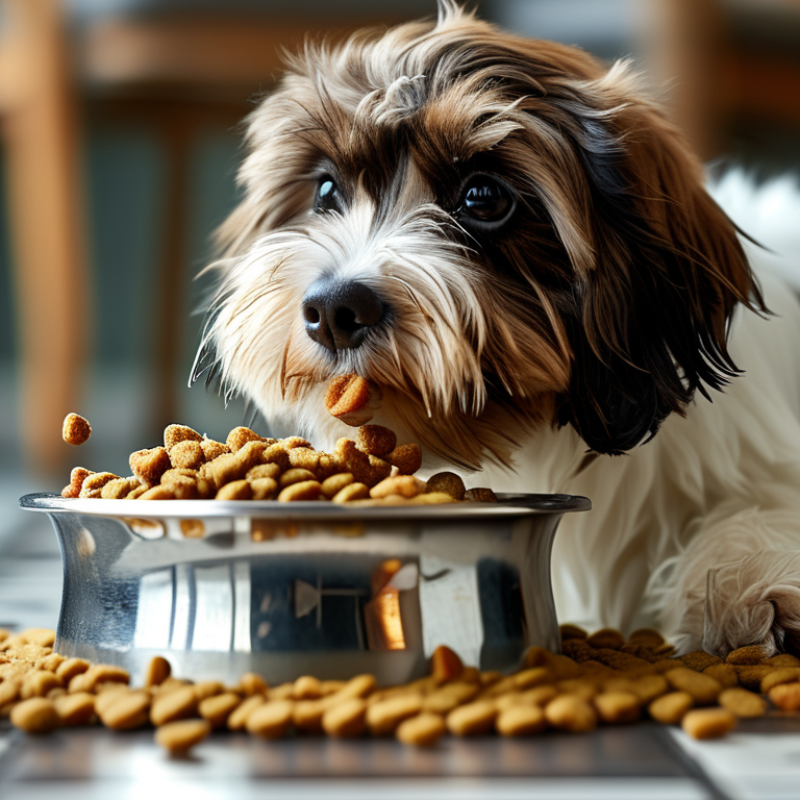
Why Does My Dog Push Food Out of Bowl? 2026 Top Types
What It Means When a Dog Pushes Food Out of the Bowl
When a dog pushes food from the bowl, it usually communicates comfort, preference, or uncertainty. Some dogs dislike deep bowls touching their whiskers. Others prefer eating from the floor because it feels more natural. Puppies may also move food while exploring new habits.
The behavior can show food guarding, especially when your dog carries pieces away before eating. However, this does not always mean aggression. Watch the whole picture: stiff posture, sudden growling, hiding, or eating much faster deserve attention. The obvious explanation is often incomplete. A dog may simply dislike the bowl’s shape, noise, or location.
Tips: Try a wide, shallow dish on a non-slip mat. Feed in a quiet corner. Test one change at a time, and observe for several days. Keep portions small enough to prevent scattered food. Do not punish or forcibly return the food, because pressure can increase anxiety.
A sudden change matters. Mouth pain, dental disease, nausea, or difficulty swallowing can make bowl eating uncomfortable. Contact a veterinarian if your dog drops food, drools, loses weight, vomits, or refuses meals. Video recording the behavior can help during the appointment. Some details are easy to miss in the moment.
| Behavior Type | What It Commonly Means | Typical Clues | Helpful Steps at Home | When to Contact a Veterinarian |
|---|---|---|---|---|
| Carrying food away | The dog may prefer to eat in a quieter or more secure location. This can reflect instinctive food-carrying behavior or a desire to protect food. | The dog picks up kibble, drops it elsewhere, and eats normally away from the bowl. | Feed in a calm area, separate pets during meals, and avoid taking food away while the dog is eating. | Seek advice if the behavior is accompanied by growling, snapping, guarding, or sudden anxiety. |
| Bowl or location aversion | The bowl may move, reflect light, make noise, smell unusual, or be placed in a stressful area. | The dog eats food from the floor but hesitates, paws at, or avoids the bowl. | Try a stable, easy-to-clean bowl and a quiet feeding place. Wash the bowl regularly and remove strong odors. | Contact a veterinarian if bowl avoidance continues after environmental changes or occurs with general fearfulness. |
| Food preference or texture issue | The dog may dislike the food’s size, shape, hardness, smell, temperature, or texture. | The dog pushes out selected pieces, eats treats willingly, or accepts softened food more readily. | Offer a consistent, complete diet recommended for the dog’s life stage. Do not make frequent sudden food changes. | Arrange a veterinary check if appetite declines, weight changes, or food refusal lasts more than a short period. |
| Dental or mouth discomfort | Pain from dental disease, a broken tooth, oral inflammation, or another mouth problem can make chewing difficult. | Dropping food, chewing on one side, pawing at the mouth, bad breath, drooling, or avoiding hard food. | Do not force the mouth open or give human pain medicine. Offer water and arrange an examination. | Contact a veterinarian promptly, especially if there is bleeding, facial swelling, severe pain, or inability to eat. |
| Eating too quickly | The dog may grab and scatter food because of excitement, competition, or a strong urge to eat quickly. | The meal disappears rapidly, food is scattered around the bowl, or the dog gulps and then regurgitates. | Feed smaller measured portions, use supervised enrichment feeding, and provide separate feeding spaces for multiple pets. | Seek veterinary advice for repeated regurgitation, choking episodes, coughing during meals, or abdominal discomfort. |
| Learned or attention-seeking behavior | If pushing food results in attention, hand-feeding, or a tastier replacement, the behavior may be reinforced. | The dog eats after a person reacts or after a different food is offered. | Keep mealtimes calm, avoid repeatedly replacing meals, and reward relaxed eating without punishment. | Consult a veterinarian if the change is sudden or occurs with reduced appetite or other illness signs. |
| Nausea or illness-related appetite change | Pushing food away can be an early sign that the dog feels unwell rather than a simple bowl preference. | Vomiting, diarrhea, lethargy, fever, increased thirst, abdominal pain, or a marked change in appetite. | Record eating, drinking, stool, vomiting, and behavior changes. Keep fresh water available and avoid giving unapproved medicines. | Contact a veterinarian if symptoms are significant, persistent, or affect a puppy, senior dog, or dog with a medical condition. |
| Environmental distraction | Noise, visitors, other animals, heat, or an uncomfortable feeding surface may interrupt normal eating. | The dog eats normally when the environment is quiet but pushes food out during busy or noisy periods. | Use a predictable feeding routine and place the bowl on a stable, non-slip surface away from high traffic. | Seek professional advice if appetite remains low even in a calm setting. |
: Your dog may dislike the bowl’s shape, noise, location, or slippery movement. It may prefer eating from the floor. My first guess was fussiness, but that can be too simple.
Yes. Deep or narrow bowls may press against sensitive whiskers. Try a wide, shallow dish with gently curved sides. Watch the posture.
Your dog may feel safer eating elsewhere or protecting individual pieces. This does not automatically mean aggression. Look for stiff posture, hiding, growling, or rapid eating.
Yes. Dry pieces may scatter across smooth floors. Moist food may stick inside deep corners. Compare dry and moist meals separately.
Choose a stable, wide bowl on a non-slip mat. Place it in a quiet corner, away from doors and loud appliances. Avoid changing several details together.
Observe several meals and record short videos. Note the food type, eating speed, posture, and dropped pieces. Change one detail at a time. Otherwise, the result becomes unclear.
Sometimes. Mouth pain, dental problems, nausea, or swallowing difficulty can change eating habits. Watch for drooling, bad breath, slow chewing, vomiting, weight loss, or refusal. These signs need veterinary attention.
No. Punishment may increase anxiety around meals. Offer smaller portions and keep feeding times calm. A measured portion also reveals how much food was actually eaten.
Why does my dog push food out of bowl? This common mealtime behavior can have several explanations. Some dogs prefer to move food to a quieter or more comfortable location, while others may be responding to stress, competition, boredom, or a strong instinct to protect and reposition their meal. The bowl’s shape, depth, material, and stability can also affect comfort, especially if it touches the dog’s face or makes distracting sounds. Food size, texture, freshness, and feeding routines may further encourage a dog to remove pieces before eating.
Occasional food pushing is usually harmless, but sudden or persistent changes should not be ignored. Difficulty chewing, mouth pain, dental problems, nausea, or other health concerns may make eating directly from the bowl uncomfortable. Owners can observe when and where the behavior occurs, try a suitable bowl, adjust food texture, create a calm feeding area, and maintain consistent mealtimes. If appetite decreases, weight changes, excessive drooling, vomiting, or signs of pain appear, a veterinarian should evaluate the dog.

 Croi Pet