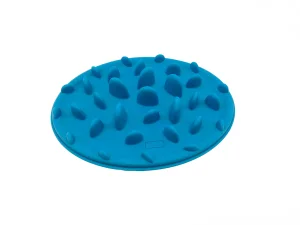
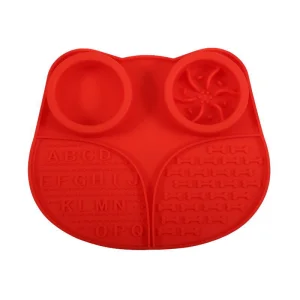
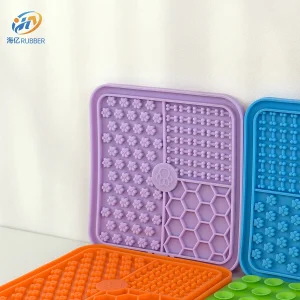
Discover our premier selection of pediatric and companion animal feeding solutions. Engineered with premium food-safe materials, integrated slip-prevention mechanisms, and structural anti-choke designs to optimize safe digestion.
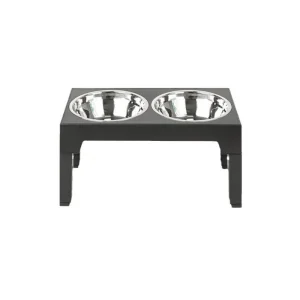
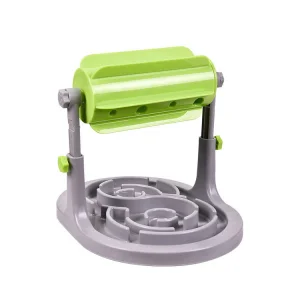
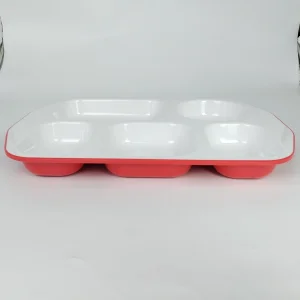
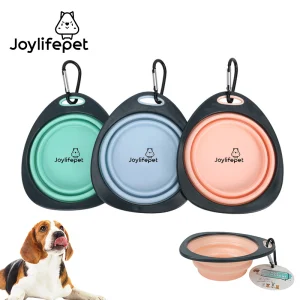
In the rapidly changing consumer landscape of infant care and companion animal health, structural design optimization has shifted from a novelty to a fundamental safety requirement. Historically, feeding apparatuses served merely as containment vessels. However, contemporary physiological research, combined with active urban lifestyles, has catalyzed a paradigm shift toward ergonomic, anti-gulping, and highly portable travel feeding solutions.
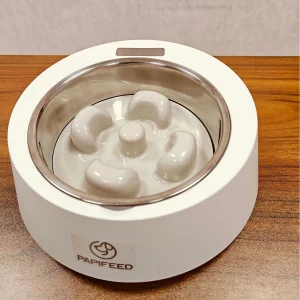
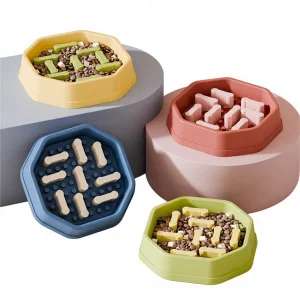
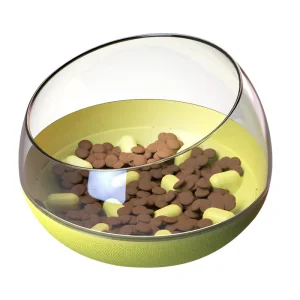
For infants, the introduction of non-toxic, high-tensile-strength materials like liquid silicone rubber (LSR) has revolutionized safety. These materials prevent ingestion of toxic polymers and provide slip-resistant stability, which is essential during motor skill development. Concurrently, in the veterinary and pet supply sectors, the prevalence of Gastric Dilatation-Volvulus (GDV)—commonly referred to as canine bloat—has triggered massive global demand for complex maze-pattern and interactive feeding designs. Structural barriers engineered directly into the feeding surface physically restrict consumption speeds, stimulating salivary amylase production, preventing choking, and easing the overall digestive process.
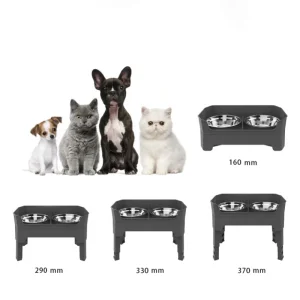
Urban density and the rise of pet-friendly travel have generated substantial demand for collapsible, leak-proof, and lightweight feeding products. Modern solutions must balance modularity (such as carabiner integrations and adjustable heights) with food-grade durability to withstand diverse environmental conditions.
Regulatory scrutiny in North America (FDA) and Europe (LFGB, REACH) requires strict compliance for polymer composition. Leading suppliers must move away from standard plastics to BPA-free, hypoallergenic, heat-stabilized LSR and food-grade stainless steels.
As a recognized industry benchmark, Qingdao Croi Pet Co., Ltd. operates at the intersection of precision engineering and pet wellness. Positioned in the coastal manufacturing hub of Qingdao, China, our advanced facility provides a streamlined gateway for international maritime logistics. This enables rapid, cost-optimized distribution to North America, the European Union, Australia, and key Asian markets.
Our manufacturing philosophy is anchored in Factory 4.0 principles. By integrating high-volume injection molding machinery, dedicated cleanroom liquid silicone processing systems, and fully computerized quality control testing, we ensure that every production run matches the gold standard of precision. From structural mold development to custom surface finishing and laser-etched branding, our OEM and ODM services are structured to reduce client time-to-market.
| Material Class | Primary Application | Certifications Met | Core Advantages |
|---|---|---|---|
| Liquid Silicone Rubber (LSR) | Toddler Divider Plates, Pet Licking Mats, Foldable Bowls | FDA, LFGB, BPA-Free, RoHS | Extreme thermal tolerance (-40°C to 230°C), dishwasher safe, inert hypoallergenic profile. |
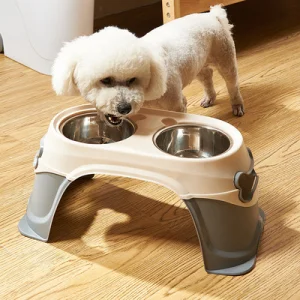
| 304/316 Stainless Steel | Elevated Slow Feeders, Modular Twin Bowls | Food-grade ASTM, GB/T 3280 | Highly corrosion resistant, neutral odor retention, durable surface finish. |
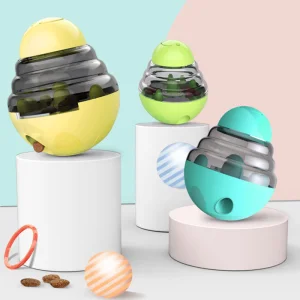
| Engineering ABS & TPR | Puzzle Feeders, Tumblers, Adjustable Anti-Choking Bowls | REACH, EN71, ASTM F963 | High impact resistance, customizable mechanical difficulty, slip-resistant base co-injection. |
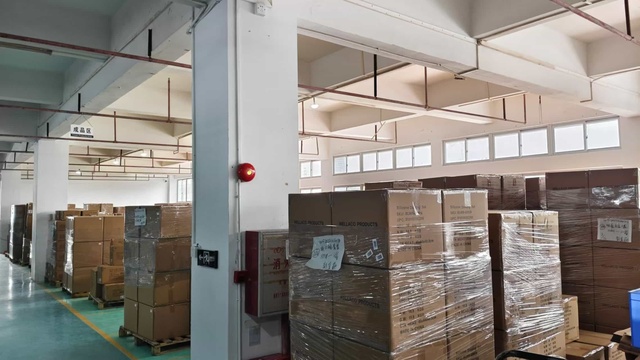
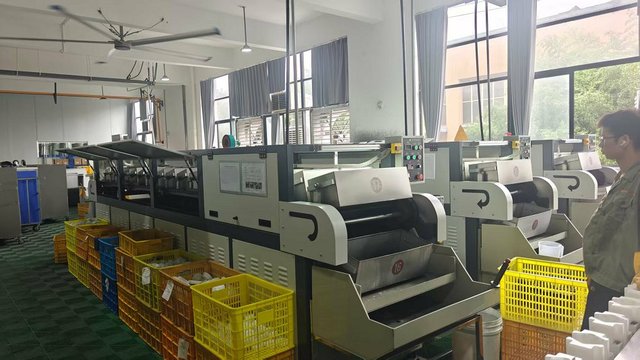
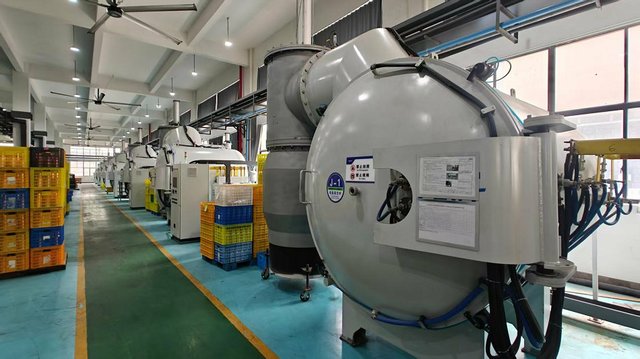
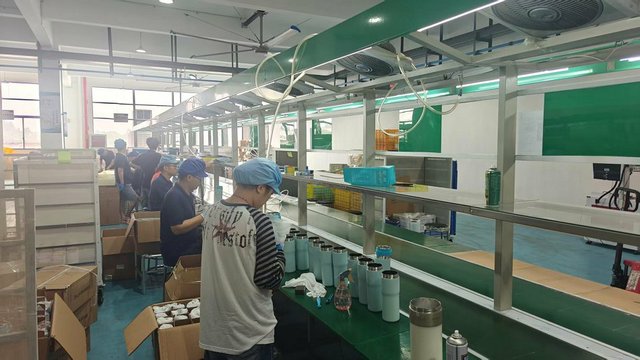
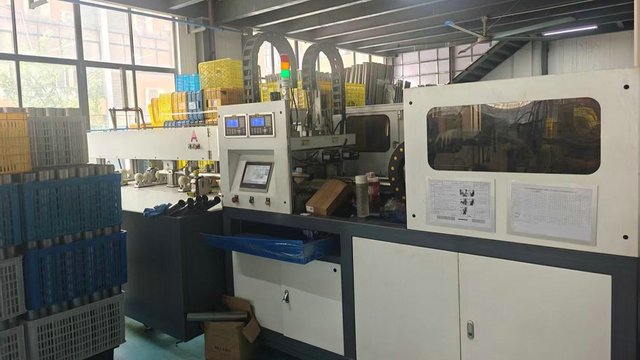
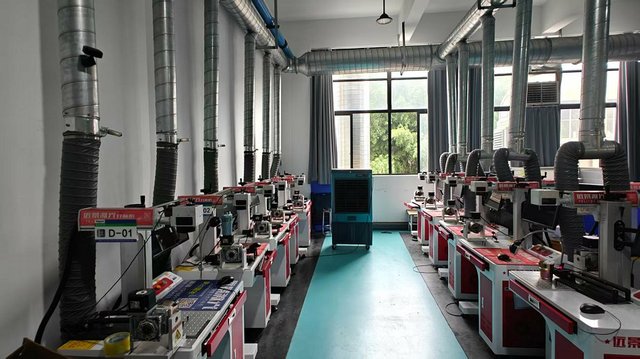
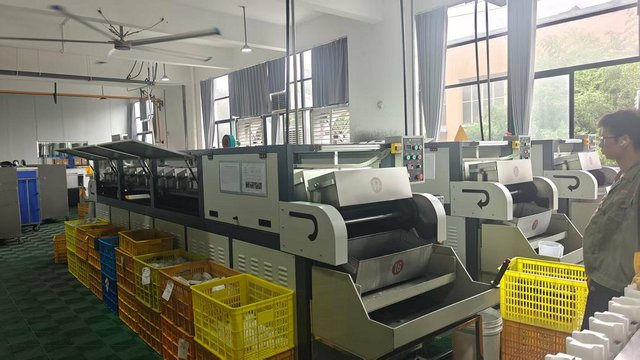
Below is a direct visual overview of our advanced cleanroom assembly lines, injection molding complexes, and automated packaging lines at the Qingdao facility. We invite global sourcing teams to review our operational footprint:



To capture regional markets effectively, importers and distributors must align their product portfolios with localized consumer behaviors. Our engineering division customizes product lines to serve three primary market scenarios:
Popular in North American and Australian markets, outdoor pet gear requires features like carabiner clips and food-safe, collapsible TPR builds. Our travel-ready bowls fold flat to fit neatly inside hiking packs or glove compartments.
In compact urban markets like Japan, South Korea, and Western European capitals, space efficiency and spill prevention are top priorities. High-suction silicone bases, elevated posture-saving frames, and stackable modular designs prevent messy spills and save valuable living space.
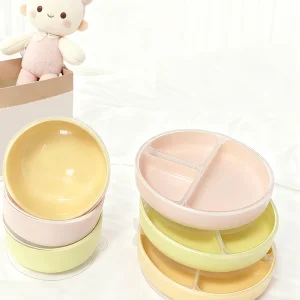
With rising global awareness of child safety, pediatric feeding lines must feature strict material transparency. Our multi-compartment suction plates promote self-feeding and support early motor skill development.
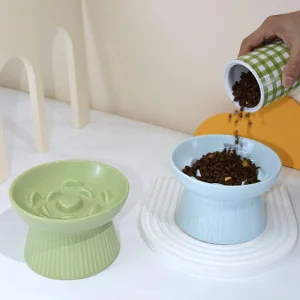
Our second phase of featured products highlights specialized items engineered for commercial distributors, Amazon sellers, and pet specialty retail chains looking to expand their catalogs.
Key technical, regulatory, and logistics answers for sourcing agents, import distributors, and brand managers.
 Croi Pet