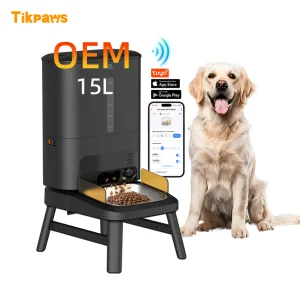
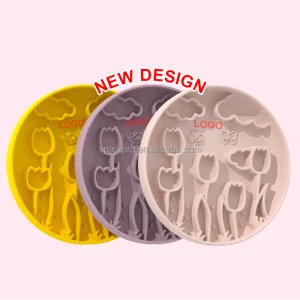
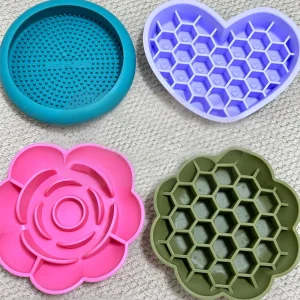
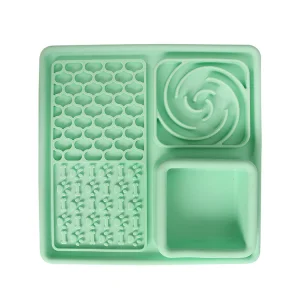
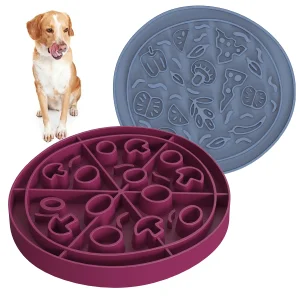
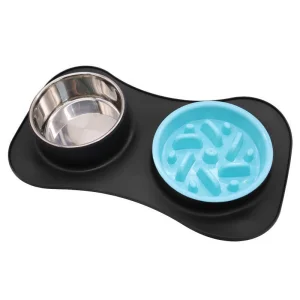
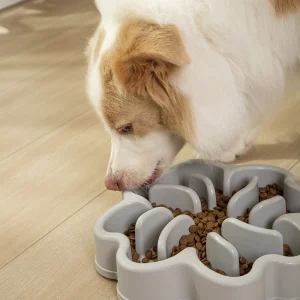
Top-tier clinical-grade pet slow feeding systems recommended for Brazil's rapidly expanding luxury pet product marketplace.
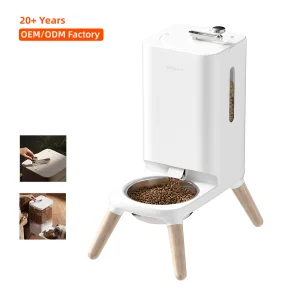
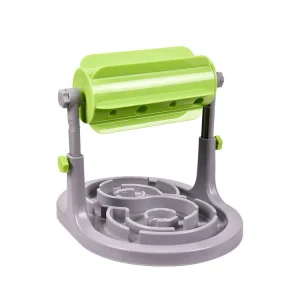
Production Capacity Daily
Certified Non-Toxic Materials
OEM & ODM Bespoke Layouts
Export Distribution Network
Large and giant canine breeds—such as the Fila Brasileiro, German Shepherd (Pastor Alemão), Golden Retriever, Great Dane, and Rottweiler—possess unique anatomy and metabolic rates that present significant physiological challenges. Chief among these is the risk of Gastric Dilatation-Volvulus (GDV), commonly referred to as "bloat". GDV occurs when a canine's stomach fills with gas, food, or fluid, and subsequently rotates, trapping contents and blocking blood flow to critical organs. It is rapidly fatal without emergency surgical intervention.
Veterinary literature shows that rapid food consumption (gulping) increases the volume of ingested air (aerophagia), accelerating gastric expansion by up to 500%. Slow feeding systems act as mechanical regulators, breaking ingestion flow and forcing dogs to take smaller, well-chewed bites, which reduces the incidence of postprandial regurgitation and life-threatening GDV.
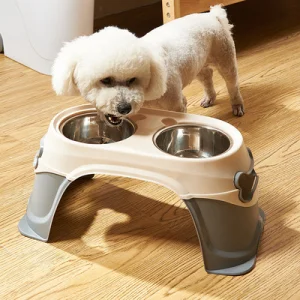
Beyond GDV prevention, large breeds are highly prone to orthopedic problems, including canine hip dysplasia and osteoarthritis. Traditional low-sitting bowls force heavy dogs to hunch their spines and transfer their center of gravity forward, putting stressful loads on their forelimbs. Integrating elevated, slow-feed systems reduces joint strain and improves posture, aligning ergonomics with digestion.
Brazil holds one of the largest pet populations globally, with the Instituto Pet Brasil (IPB) indicating consistent year-on-year market growth. The Brazilian market is experiencing a profound shift toward premiumization. Pet parents are increasingly treating their animals as core family members, fueling demand for functional, health-focused accessories.
Despite this massive market size, local retailers and distributors face several supply chain limitations:
This creates a major opportunity for premium B2B suppliers from China, who can offer certified quality, mass customization, and reliable global shipping.
As a leading pet feeding innovation factory, Qingdao Croi Pet Co., Ltd. designs systems that balance physical durability with biological safety. Our engineering process addresses key parameters required for large-breed feeders:
A. Advanced Polymeric and Elastomeric Choices: Large breeds have significant bite force, often exceeding 400 PSI. We construct our feeders using premium materials:
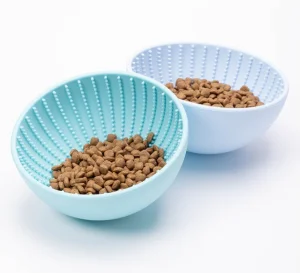
B. Multi-Tiered Maze Topology: Rather than simple plastic pegs, our slow feeding surfaces feature custom flow-restriction barriers designed for large jaws. These patterns force lateral tongue movements and slow down kibble extraction without causing dental wear or nose irritation.
Pet accessory distribution relies heavily on global regulatory alignment. In Brazil, the Ministry of Agriculture and Livestock (MAPA - Ministério da Agricultura e Pecuária) oversees pet food safety, while accessories must meet general safety standards set by ANVISA and INMETRO.
Our export products undergo testing that satisfies both North American and European standards, ensuring they easily pass Brazilian customs checks. Our documentation includes detailed material safety data sheets (MSDS), making clearance through major Brazilian entry ports like Santos or Paranaguá seamless.
Our slow feeding product line meets the needs of diverse Brazilian pet environments:
Qingdao Croi Pet Co., Ltd. continues to drive innovation in the pet feeding space. Our product roadmap outlines upcoming developments designed to keep our B2B partners ahead of market trends:
Explore our export-ready inventory, featuring customizable branding options, multiple color choices, and robust packaging designed for international shipping.
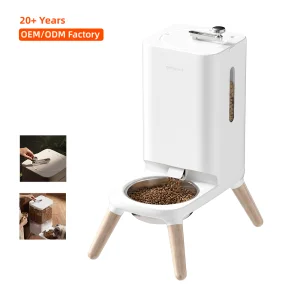
Advanced multi-material slow feeding accessories designed for high-stress veterinary environments and retail private label branding.
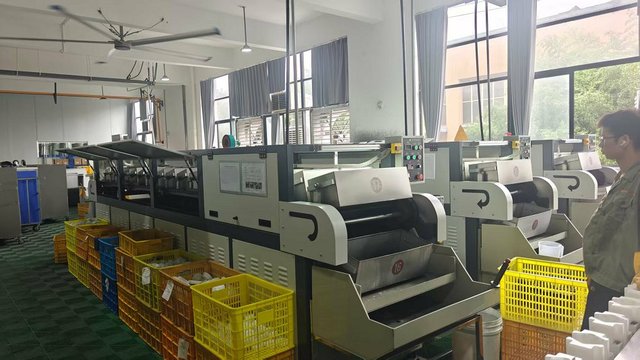
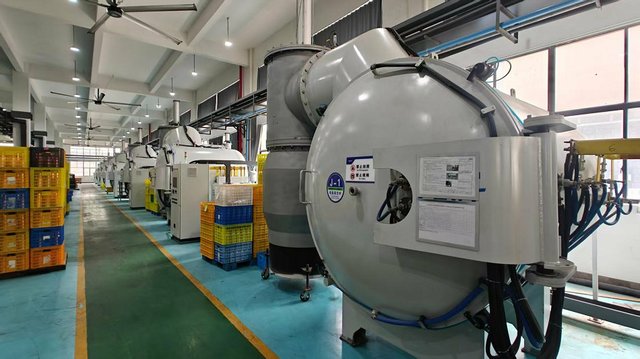
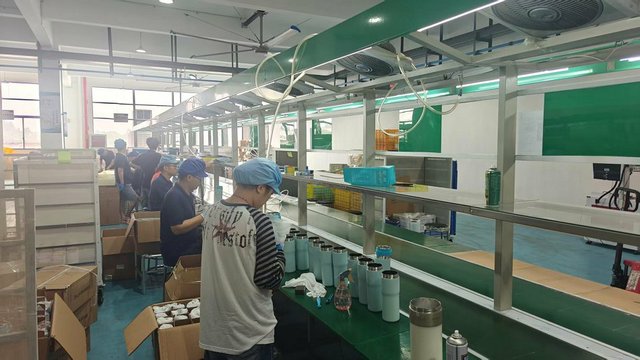
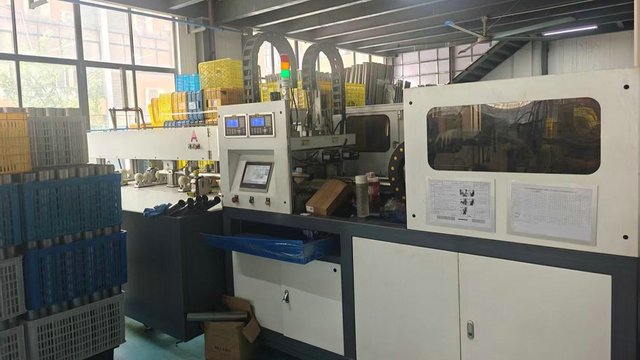
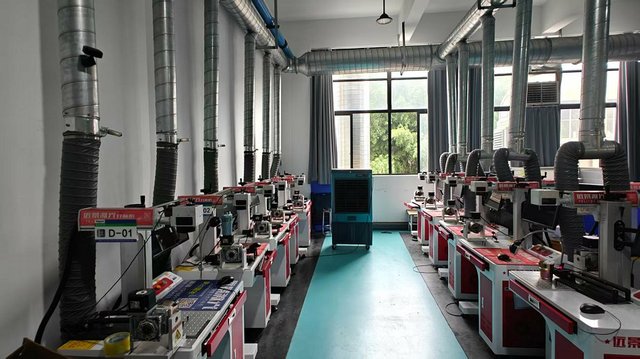
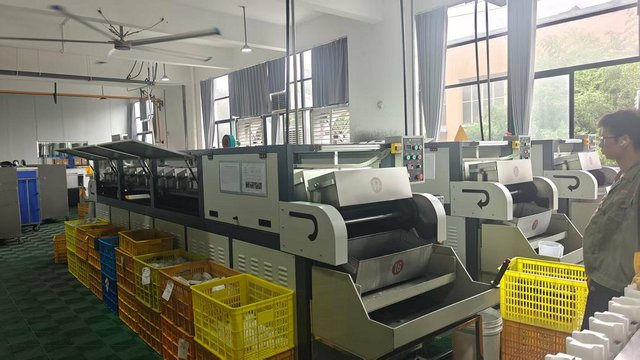
Equipped with state-of-the-art injection molding machines, liquid silicone processing units, and robust quality control systems to ensure premium manufacturing quality.
Located in Qingdao, a major coastal manufacturing and export hub in China, our facility is engineered to support high-volume OEM/ODM partnerships. Our manufacturing setup features precision tooling workshops, automated packaging lines, and dedicated cleanrooms for processing food-contact silicone. We select premium materials, checking batches to ensure zero trace toxins and long-term durability under heavy use.


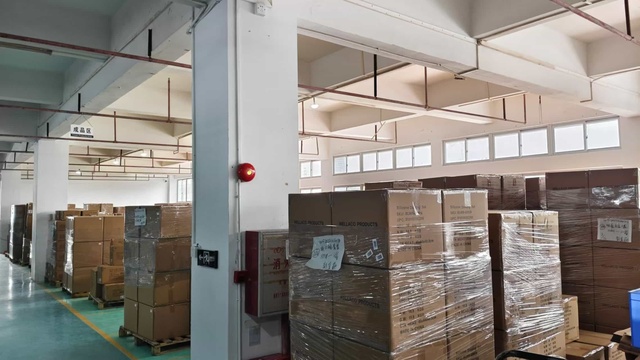

Key information regarding international logistics, customs clearance in Brazil, and customization options.
 Croi Pet