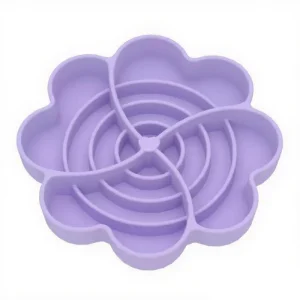
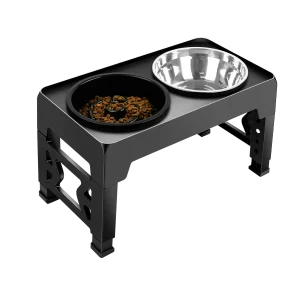
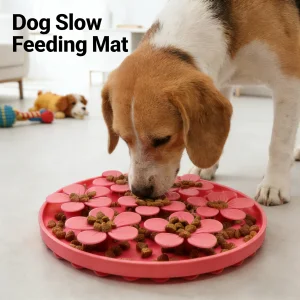
Qingdao Croi Pet Co., Ltd. is a professional, high-capacity Slow Feeder Dog Bowl Manufacturer specializing in innovative anti-gulp pet feeding solutions designed to improve pet digestion, prevent choking, and promote healthier eating habits for dogs and cats. As a leading China pet feeding innovation factory, we focus on developing functional, safe, and durable feeding products for global pet brands, distributors, wholesalers, and OEM/ODM partners.
Driven by structural innovation and pet health awareness, our engineering team utilizes high-precision CAD modeling and simulation software to design feeding barriers that mimic natural foraging patterns. Our products are exported to North America, Europe, Australia, and Southeast Asia, where they are widely recognized for their functionality, safety, and innovative feeding design.
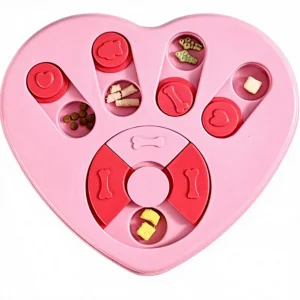
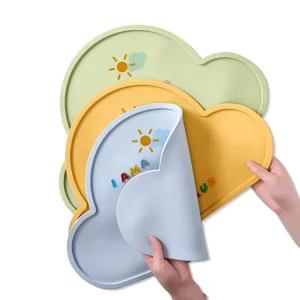
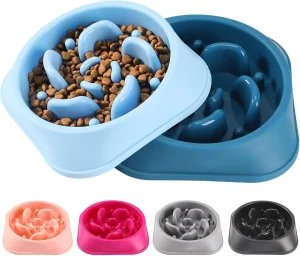
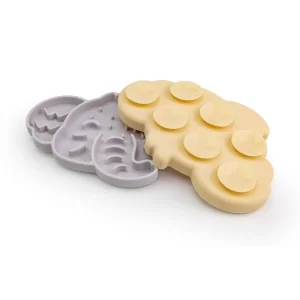
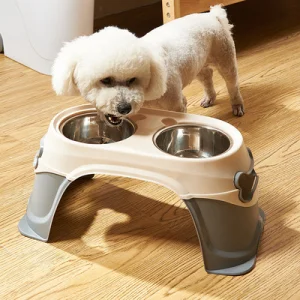
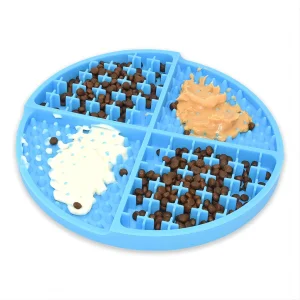
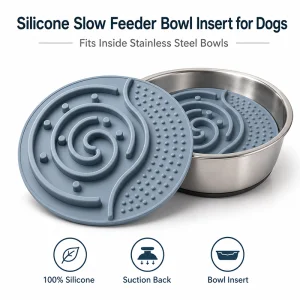
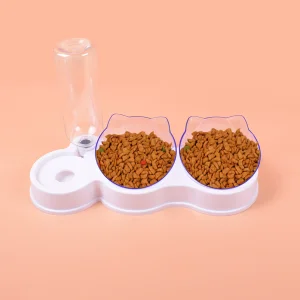
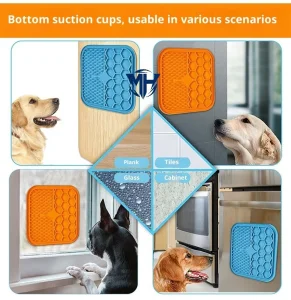
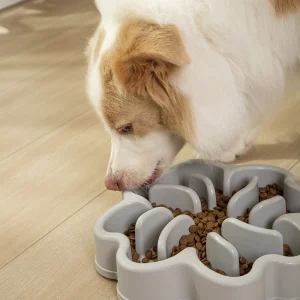
Our expansive product range covers a wide variety of slow feeding solutions, including maze-pattern feeding bowls, spiral slow feeders, elevated anti-gulp feeding systems, non-slip slow feeding dishes, puzzle-integrated bowls, multi-compartment feeding trays, silicone slow feeding mats, stainless steel slow feeders, and adjustable difficulty feeding designs. Each product is engineered to slow down eating speed, reduce bloating, and support long-term digestive health in pets.
In the modern pet product industry, consumer behavior has shifted dramatically from commodity-based purchases toward functional, health-focused solutions. Veterinary research confirms that rapid ingestion of dry kibble and wet food presents significant medical hazards to canines and felines alike.
Rapid eating (gulping) causes pets to swallow excess air, a condition known as aerophagia. In medium-to-large canine breeds, this leads to Gastric Dilatation-Volvulus (GDV), commonly referred to as canine bloat. GDV causes the stomach to distend and twist on its longitudinal axis, blocking blood flow to vital organs.
By engineering maze-like structures and flow-impeding obstacles into our feeding stations, we extend consumption times by up to 400%. This forces the animal to use its tongue to retrieve food, preventing rapid swallowing and stimulating saliva production, which contains crucial digestive enzymes.
Pet supply importers and brand owners face changing regulatory environments. Importers in the EU must comply with strict REACH and LFGB food-contact legislation. In North America, FDA compliance and BPA-free transparency are mandatory for high-end retail positioning.
Brands must balance these safety mandates with visual appeal. Our design division provides custom Pantone color matching, laser-etched branding, and packaging configurations. This allows distributors to offer functional products that align with contemporary home interiors.
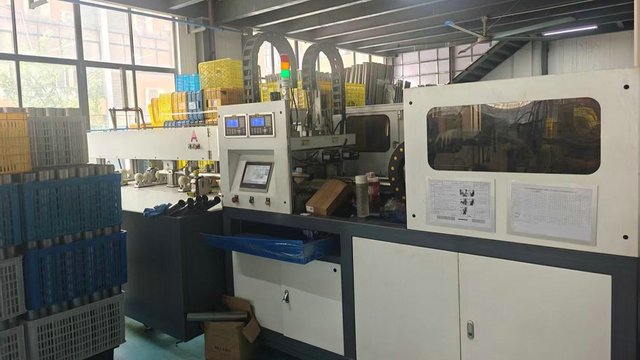
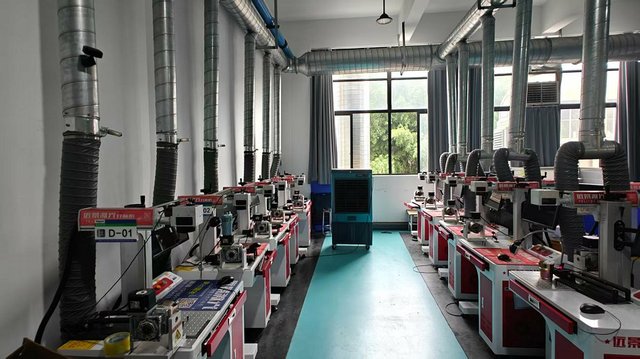
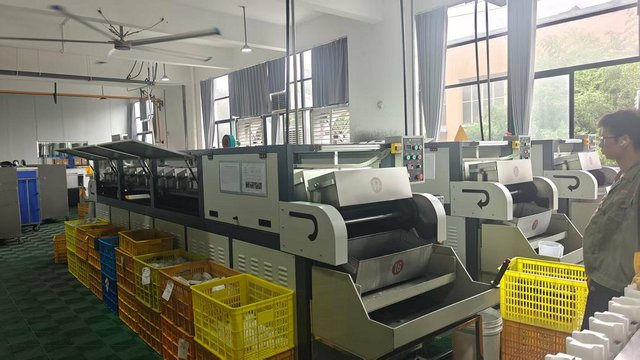
Located in the coastal industrial hub of Qingdao, China, the Qingdao Croi Pet Co., Ltd. manufacturing complex utilizes advanced technology to optimize production efficiency and product safety. By integrating automation at every stage, we control costs while maintaining high quality standards.
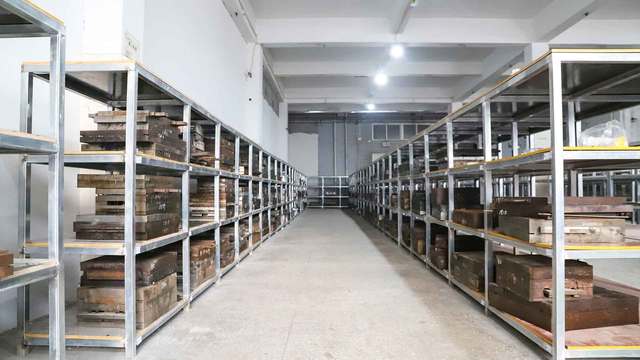
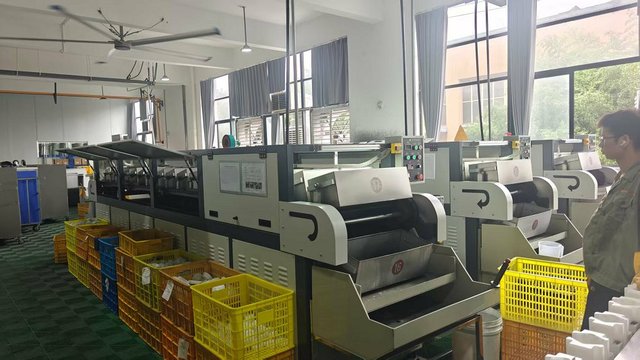
Our facilities house high-tonnage precision injection molding machines, automated silicone compression presses, and high-speed CNC tooling stations. This tooling capability allows us to take a custom design from CAD files to a physical prototype in as little as 10 to 15 days.
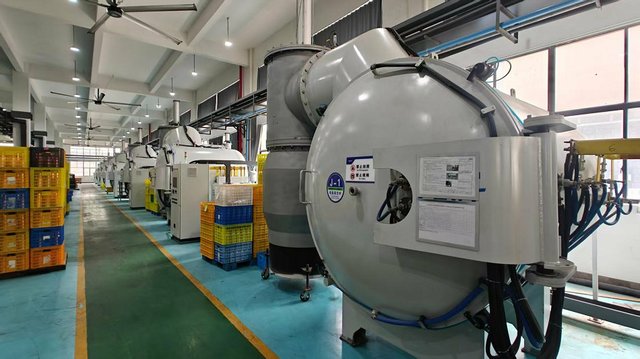
Our silicone vulcanization processes use platinum-cured agents rather than peroxide catalysts, ensuring no harmful chemical byproducts or odors remain in the finished pet feeding mats or lick pads.
Operating in Qingdao provides significant logistical advantages. The Port of Qingdao is one of the world's busiest container terminals, offering direct weekly sailings to major global ports in North America, Europe, and the APAC region. This reduces transit times, avoids domestic cross-docking delays, and lowers inland freight costs for our buyers.
| Material Type | Hardness Range | Temperature Resistance | Chemical Safety Profile | Primary Product Application |
|---|---|---|---|---|
| Platinum-Cured Silicone | 30 - 70 Shore A | -40°C to 230°C | BPA-Free, LFGB/FDA Certified | Lick mats, collapsible inserts, travel bowls |
| High-Impact Polypropylene (PP) | 70 - 85 Shore R | 0°C to 110°C | Recyclable, Phthalate-free | Rigid puzzle bowls, slow-feeding grids |
| SUS304 Stainless Steel | Hardened | -80°C to 800°C | Inert, corrosion-resistant | Elevated bowls, heavy-duty industrial feeders |
| Food-Grade ABS Polymer | 80 - 100 Shore R | -20°C to 80°C | High impact resistance, non-toxic | Adjustable puzzle mechanisms, outer chassis |
Different settings require different pet feeding solutions. Our design team creates products tailored for diverse commercial, retail, and domestic environments.
Residential applications focus on aesthetics, quiet operation, and clean floors. Our customized silicone mats feature raised outer edges to trap spills, while non-slip bases prevent bowls from scraping across hardwood floors. Modern, neutral color palettes ensure the feeding stations blend cleanly into home decor.
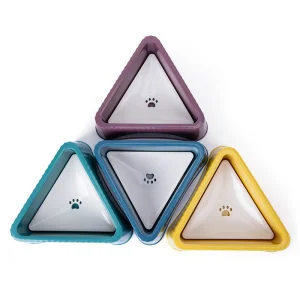
In clinical and boarding spaces, sanitation is the top priority. Veterinary feeders must withstand high-temperature autoclaving and chemical disinfectants without degrading. Stackable shapes optimize storage space, while durable, non-porous materials prevent bacteria buildup.
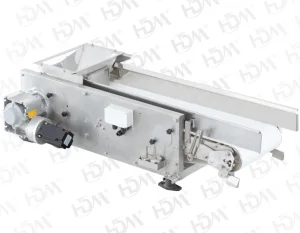
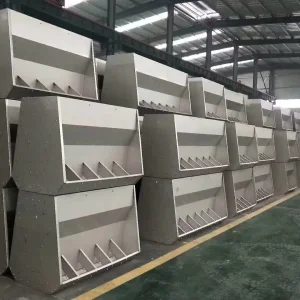
For larger operations, such as swine breeding facilities or shelters, durability and volume control are key. Heavy-duty equipment like our stainless steel automatic feeders and loss-in-weight systems handle bulk feeding needs while resisting damage from animals and regular wear.
Outdoor and travel products prioritize portablity and weight. Collapsible, food-grade silicone bowls and leak-proof slow feeders allow pet owners to maintain healthy feeding routines on the road without packing bulky accessories.
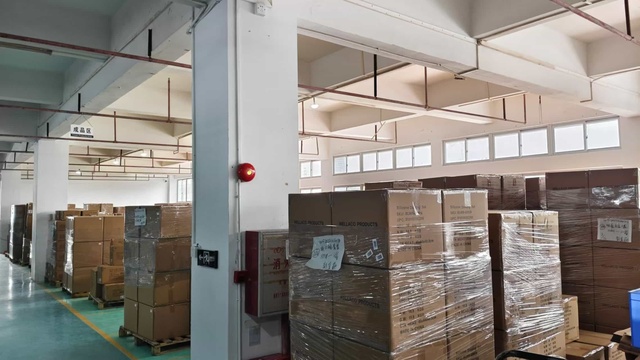
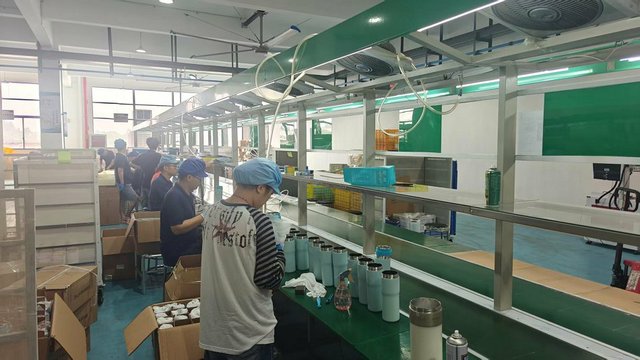
Inside our production facility: clean-room molding lines, silicone vulcanization workshops, and strict quality control stations.


 Croi Pet